

The Largest Deserts in the World: Stunning Landscapes and Unique Wildlife

Deserts are among the most fascinating and extreme environments on Earth, characterized by minimal precipitation, vast landscapes, and unique ecosystems. The largest deserts in the world span continents, each with distinct geographical, climatic, and cultural features. detailed exploration of these deserts, their characteristics, ecological significance, and human interactions, complete with a comparative table to highlight their diversity.
Thank you for reading this post, don't forget to subscribe!What Defines the Largest Deserts in the World?
The largest deserts in the world are defined by their arid conditions, receiving less than 250 mm of annual precipitation. These deserts vary in type—hot, cold, coastal, or semi-arid—and are shaped by climatic factors like high-pressure systems, rain shadows, or distance from moisture sources. Beyond their size, these deserts are critical for studying climate change, biodiversity, and human adaptation to extreme environments.
Historical and Geological Context
The largest deserts in the world formed over millions of years due to geological processes like plate tectonics, wind erosion, and climate shifts. For instance, the Sahara Desert, once a lush region with lakes and rivers, transformed into a desert around 7,000 years ago due to changes in Earth’s orbit and monsoon patterns. Understanding their geological history provides insight into their current state and future evolution.
Characteristics of the Largest Deserts in the World
The largest deserts in the world share common traits but differ significantly in climate, flora, fauna, and human presence. Below are key characteristics:
1. Climate and Weather Patterns
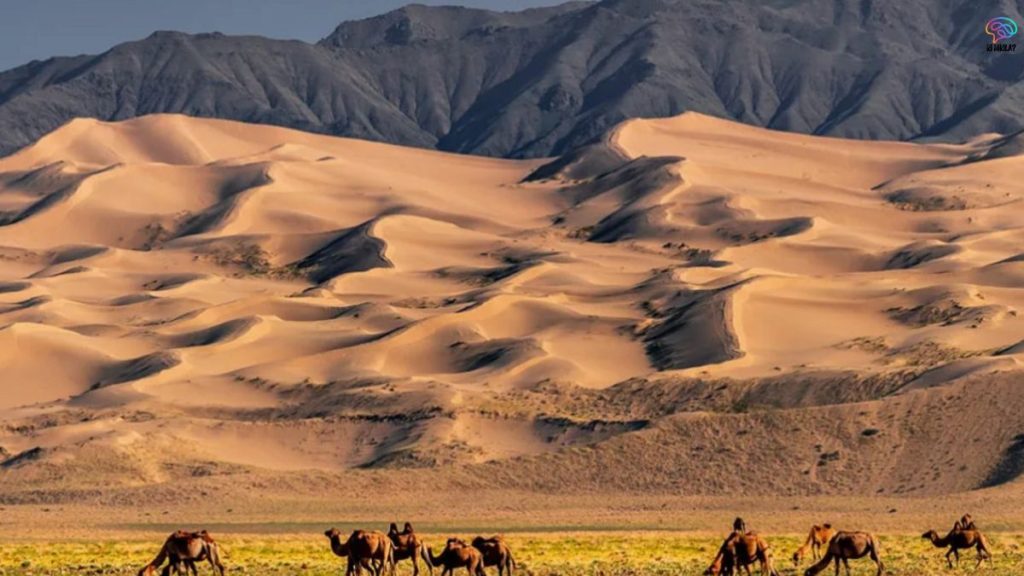
Deserts experience extreme temperature fluctuations, with scorching days and freezing nights in some regions. For example, the Gobi Desert sees temperatures ranging from -40°C in winter to 45°C in summer.
2. Unique Ecosystems
Despite harsh conditions, these deserts host specialized flora and fauna. The Namib Desert’s Welwitschia plant, which can live over 1,000 years, and the Sahara’s fennec fox demonstrate remarkable adaptations.
3. Human Interactions
Human populations in the largest deserts in the world, such as the Bedouins in the Arabian Desert, have adapted through nomadic lifestyles, water conservation, and traditional knowledge. Modern activities like mining and tourism also shape these regions.
Comparative Analysis of the Largest Deserts in the World
The table below compares the largest deserts in the world based on size, location, climate, and notable features.
| Desert | Location | Area (sq km) | Climate Type | Key Features | Notable Flora/Fauna |
|---|---|---|---|---|---|
| Antarctic Desert | Antarctica | 13,829,430 | Cold desert | Largest desert, ice-covered, extreme cold, minimal precipitation | Penguins, seals, lichens |
| Arctic Desert | Arctic regions (Canada, Russia) | 13,726,937 | Cold desert | Polar tundra, permafrost, short growing season | Arctic fox, polar bear, mosses |
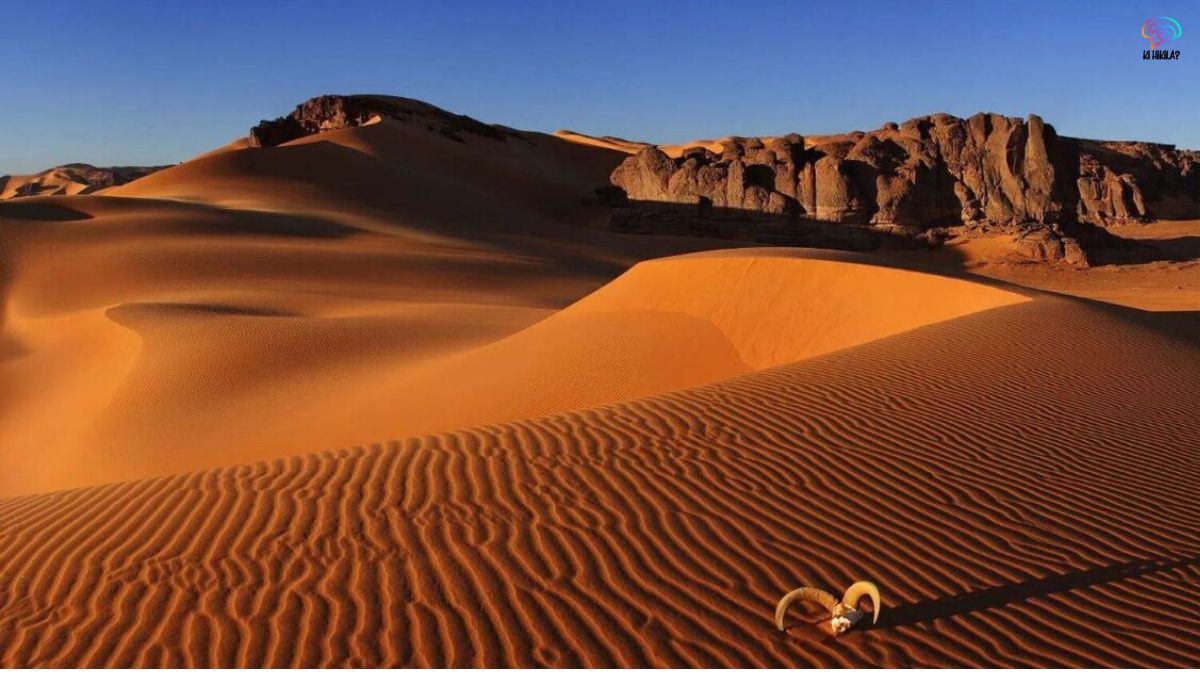
| Sahara Desert | North Africa | 9,200,000 | Hot desert | World’s largest hot desert, vast sand dunes, ancient rock art | Fennec fox, date palms, acacia |
| Australian Desert | Australia | 2,700,000 | Hot/semi-arid | Outback, diverse landscapes, significant Aboriginal cultural sites | Kangaroo, spinifex grass, desert oak |
| Arabian Desert | Middle East | 2,330,000 | Hot desert | Sand seas, oil reserves, Bedouin culture | Dromedary camel, ghaf tree |
| Gobi Desert | Mongolia/China | 1,295,000 | Cold desert | High altitude, dinosaur fossils, extreme temperature swings | Bactrian camel, saxaul tree |
| Kalahari Desert | Southern Africa | 900,000 | Semi-arid | Red sand dunes, San people, seasonal water sources | Meerkat, baobab tree, devil’s claw |
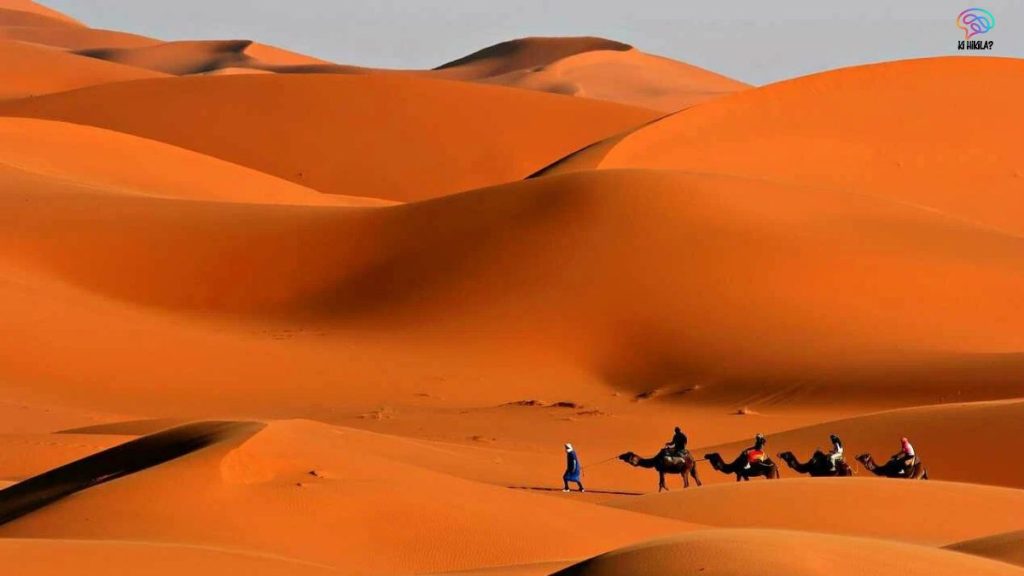
Insights from the Table
The table reveals the diversity among the largest deserts in the world. The Antarctic and Arctic Deserts, classified as cold deserts, dwarf others in size due to their ice-covered expanses. In contrast, the Sahara and Arabian Deserts are iconic hot deserts with cultural and historical significance. The Australian and Kalahari Deserts, with semi-arid regions, support more vegetation and human activity.
Ecological Significance of the Largest Deserts in the World
The largest deserts in the world are not barren wastelands but complex ecosystems. They play vital roles in:
1. Biodiversity Conservation
Deserts host species uniquely adapted to extreme conditions. The Namib Desert’s fog-basking beetles, which collect water from fog, exemplify evolutionary ingenuity.
2. Climate Regulation
Deserts influence global climate patterns. The Sahara’s reflective sand surfaces affect atmospheric circulation, while the Antarctic Desert’s ice regulates global sea levels.
3. Scientific Research
These deserts are natural laboratories for studying climate change, geology, and extremophiles. The Atacama Desert, though smaller, is a testing ground for Mars exploration due to its arid conditions.
Human and Cultural Impacts in the Largest Deserts in the World
Human interactions with the largest deserts in the world have shaped cultures and economies:
1. Indigenous Communities
Indigenous groups, like the San in the Kalahari and Aboriginal peoples in Australia, have thrived in deserts for millennia, developing sustainable practices like water harvesting.
2. Economic Activities
Deserts are rich in resources. The Arabian Desert’s oil reserves drive global economies, while the Kalahari’s diamond mines are economically significant for Botswana.
3. Tourism and Conservation
Tourism in deserts like the Sahara and Australian Outback generates revenue but raises environmental concerns. Conservation efforts aim to protect fragile ecosystems from overexploitation.
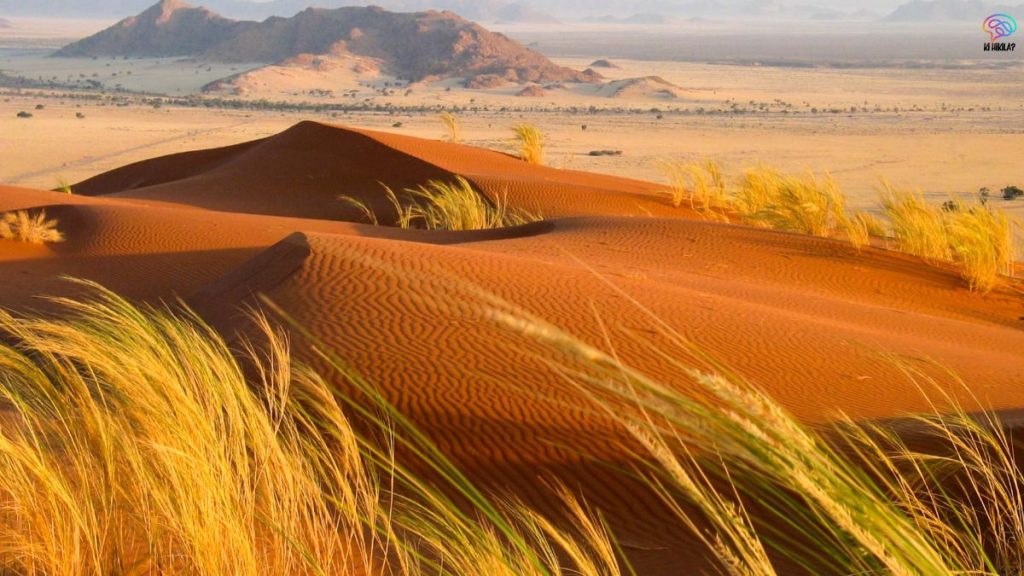
Challenges Facing the Largest Deserts in the World
The largest deserts in the world face several challenges:
1. Climate Change
Rising temperatures and changing precipitation patterns threaten desert ecosystems. The Sahara is expanding, encroaching on arable land in the Sahel region.
2. Desertification
Human activities like overgrazing and deforestation exacerbate desertification, particularly in semi-arid regions like the Kalahari.
3. Resource Exploitation
Mining and oil extraction in deserts like the Arabian and Gobi disrupt ecosystems and local communities.
The Future of the Largest Deserts in the World
The largest deserts in the world are at a crossroads. Key trends shaping their future include:
- Conservation Efforts: Initiatives like the Sahara Conservation Fund aim to protect biodiversity and support local communities.
- Sustainable Tourism: Eco-tourism in deserts like the Australian Outback promotes environmental awareness while minimizing impact.
- Climate Adaptation: Research into drought-resistant crops and water management techniques could mitigate desertification effects.
The largest deserts in the world are remarkable landscapes that reveal Earth’s climatic, ecological, and cultural diversity. From the icy expanses of the Antarctic Desert to the scorching sands of the Sahara, these deserts challenge our understanding of resilience and adaptation. By studying and preserving these environments, we can better appreciate their role in global ecosystems and human history. As climate change and human activity reshape these regions, sustainable practices will be crucial to ensuring their survival for future generations.
Also Read:
Important Role of Members of Parliament in Building a Strong Nation
Ramsar Award: Celebrating Global Champions of Wetland Wise Use
Frequently Asked Questions (FAQ) on the Largest Deserts in the World
1. What is a desert?
A desert is a dry region that receives very little rainfall (less than 25 cm per year). It can be hot like the Sahara or cold like Antarctica.
2. Which is the largest desert in the world?
The Antarctic Desert is the largest desert in the world, covering about 14 million square kilometers. It is a cold desert.
3. Which is the largest hot desert in the world?
The Sahara Desert in Africa is the largest hot desert in the world, covering 9.2 million square kilometers.
4. Are all deserts hot?
No, not all deserts are hot. There are cold deserts like Antarctica and the Arctic, and hot deserts like the Sahara and Arabian Desert.
5. What are some of the largest deserts in the world?
Some of the largest deserts are:
- Antarctic Desert (Cold)
- Arctic Desert (Cold)
- Sahara Desert (Hot)
- Arabian Desert (Hot)
- Gobi Desert (Cold)
- Kalahari Desert (Hot)
- Patagonian Desert (Cold)
6. Why are deserts important?
Deserts are important because they:
- Store minerals and fossil fuels
- Provide unique ecosystems and wildlife
- Influence Earth’s climate and wind patterns
7. How do plants and animals survive in deserts?
Plants like cactus store water, and animals like camels, foxes, and lizards adapt by conserving water and staying active mostly at night.
8. What is the coldest desert in the world?
The Antarctic Desert is the coldest desert, where temperatures can drop below -80°C.
9. Which desert is expanding the fastest?
The Sahara Desert is expanding due to climate change and desertification, which makes nearby fertile lands turn into dry desert areas.
10. Can people live in deserts?
Yes, people can live in deserts. Communities like the Bedouins in the Arabian Desert and tribes in the Kalahari have adapted to desert life with unique skills and traditions.