



Merger of PSBs: Impact, Benefits and Challenges in India’s Banking Sector

Merger of PSBs has been one of the most important reforms in India’s banking sector. The Government of India has merged several Public Sector Banks (PSBs) to create stronger and larger banks capable of supporting the country’s growing economy. The main aim of this policy is to improve banking efficiency, reduce financial stress, strengthen credit availability, and make Indian banks globally competitive.
In recent years, the government has continued to study the impact of previous mergers and has explored the possibility of further consolidation among public sector banks. The long-term objective is to create a few large and financially strong banks similar to the State Bank of India (SBI).

What is a Bank Merger?
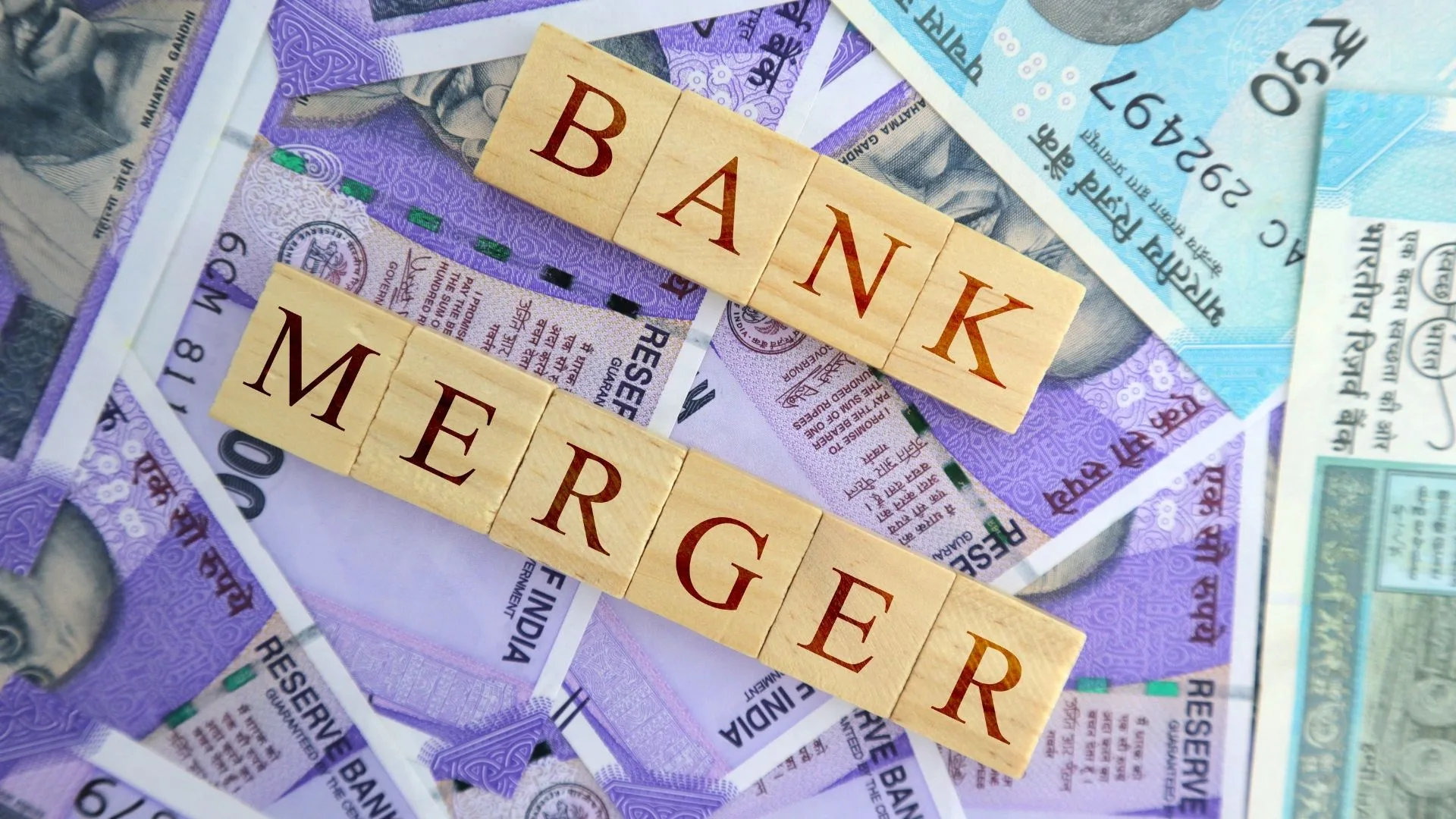
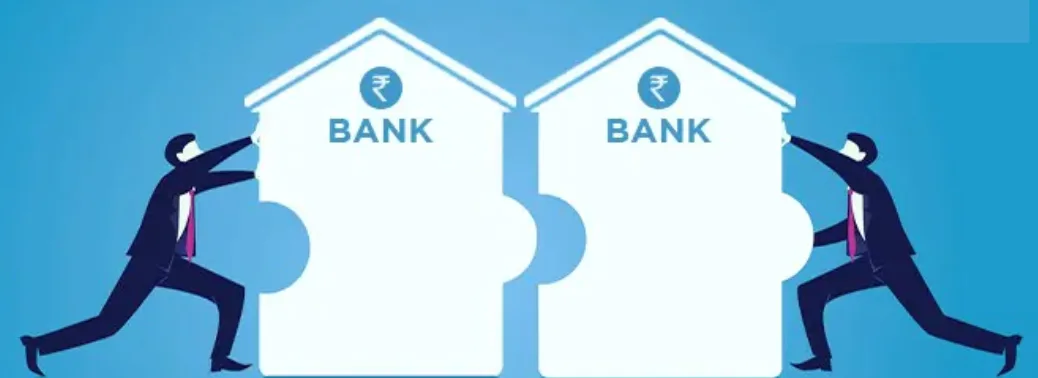
A bank merger is a process in which two or more banks combine to form a single banking institution. In this process, the assets, liabilities, customers, branches, and employees of the merging banks become part of one larger bank.
In the case of Public Sector Banks, smaller or weaker banks are usually merged with larger and stronger banks, often called anchor banks. After the merger, the combined bank operates under a single management structure.
The primary purpose of bank mergers is to improve financial strength, increase operational efficiency, and provide better banking services to customers.
History of PSB Mergers in India
The idea of merging banks is not new in India. Several expert committees have recommended banking consolidation over the years.
Narasimham Committee Recommendation
In 1998, the Second Narasimham Committee suggested a three-tier banking structure:
| Level | Suggested Structure |
|---|---|
| Top Level | Three large international banks |
| Middle Level | Eight to ten national banks |
| Lower Level | Regional and local banks |
The committee believed that larger banks would be better equipped to compete globally and support economic growth.
PJ Nayak Committee Recommendation
In 2014, the PJ Nayak Committee also recommended reforms in public sector banking. It suggested that the government should either merge weak banks with stronger ones or consider privatization where necessary.
These recommendations laid the foundation for the banking consolidation policies seen in recent years.
Major Bank Mergers in India
India has witnessed several significant bank mergers.
SBI Merger in 2017
In April 2017, five associate banks were merged with SBI:
- State Bank of Bikaner and Jaipur
- State Bank of Hyderabad
- State Bank of Travancore
- State Bank of Mysore
- State Bank of Patiala
At the same time, Bharatiya Mahila Bank was also merged into SBI.
This merger made SBI one of the largest banks in the world by assets and customer base.
Consolidation of Regional Rural Banks
The government also reduced the number of Regional Rural Banks (RRBs) through consolidation.
The number of RRBs was reduced from 56 to 38 to improve efficiency and management.
Mega Merger of 2019
In 2019, the Government of India announced one of the largest banking reforms in the country’s history.
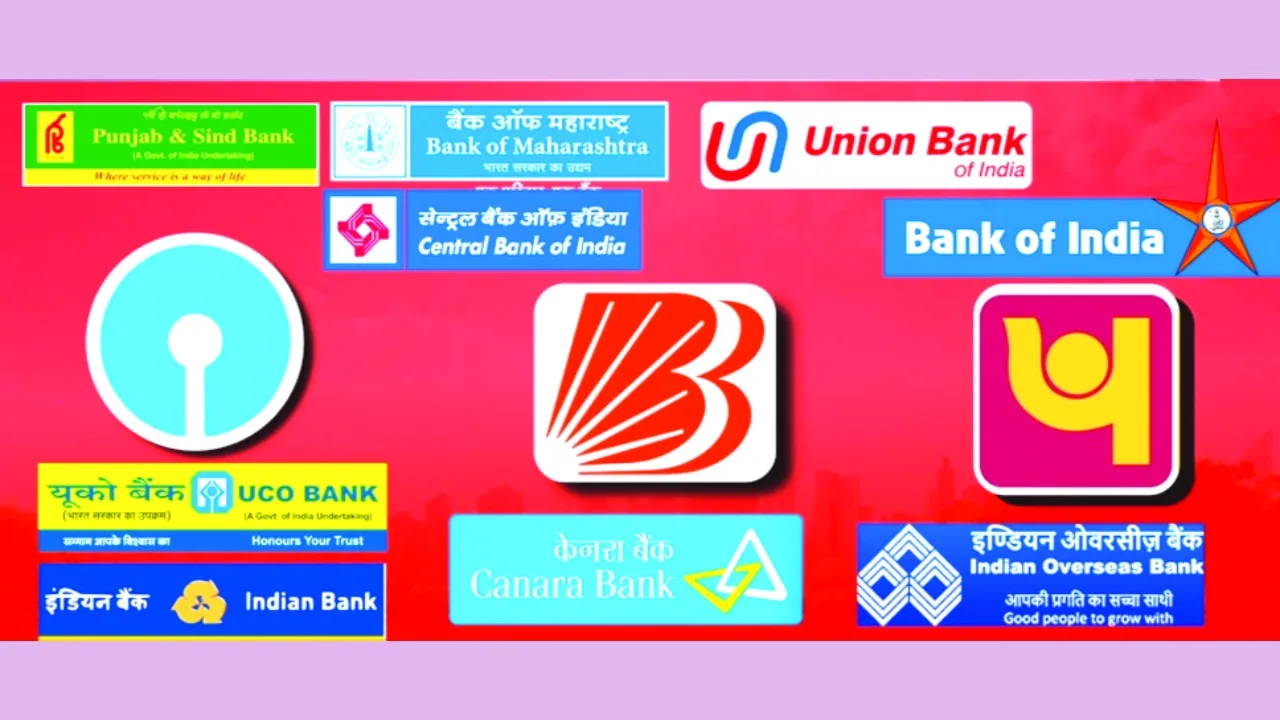
Ten public sector banks were merged into four larger banks.
| Anchor Bank | Merged Banks |
| Punjab National Bank | Oriental Bank of Commerce and United Bank of India |
| Canara Bank | Syndicate Bank |
| Union Bank of India | Andhra Bank and Corporation Bank |
| Indian Bank | Allahabad Bank |
These mergers became effective from April 2020.
As a result, the number of public sector banks reduced significantly.
Why Was the Merger of PSBs Needed?
Several economic and financial reasons encouraged the government to pursue bank mergers.
Protecting Weak Banks
Many public sector banks were struggling with financial problems and rising bad loans. Merging them with stronger banks helped improve stability and protect depositors’ money.
Creation of Globally Competitive Banks
India’s economy is among the largest in the world, but very few Indian banks appear among the world’s biggest banks.
Large banks have greater financial capacity and international reach. Therefore, mergers help create institutions capable of competing globally.
Compliance with Basel III Norms
International banking standards known as Basel III require banks to maintain adequate capital and risk management systems.
Larger banks are generally in a better position to meet these requirements.
Improving Credit Availability
A strong banking system is necessary for economic growth. Larger banks can provide bigger loans to industries, infrastructure projects, and businesses.
Reducing Fragmentation
Before consolidation, India’s public banking sector consisted of many banks with varying levels of performance. Mergers helped reduce fragmentation and improve coordination.
Understanding the Twin Balance Sheet Crisis
One of the major reasons behind banking reforms was the Twin Balance Sheet Crisis.
This crisis affected both companies and banks.
Problems Faced by Companies
Many companies borrowed large amounts of money during periods of economic expansion. Later, when business conditions weakened, these companies struggled to repay their loans.
Problems Faced by Banks
When companies failed to repay loans, banks accumulated Non-Performing Assets (NPAs), commonly known as bad loans.
As bad loans increased, banks became reluctant to lend more money.
This created a cycle where:
- Companies could not repay loans.
- Banks accumulated bad loans.
- Banks reduced lending.
- Economic growth slowed down.
The merger of PSBs was seen as one way to strengthen banks and improve lending capacity.
Benefits of the Merger of PSBs
1. Economies of Scale
Larger banks benefit from economies of scale.
This means they can operate more efficiently because their fixed costs are spread across a larger customer base.
Benefits include:
- Lower operating costs
- Better technology investments
- Improved branch management
- Enhanced customer services
2. Better Risk Management
Large banks have diversified portfolios.
If one sector experiences difficulties, losses can be balanced by gains in other sectors.
This reduces the overall risk faced by the bank.
3. Stronger Financial Position
Merged banks generally have:
- Larger capital base
- Higher lending capacity
- Better liquidity
- Improved financial stability
This helps them withstand economic shocks more effectively.
4. Improved Operational Efficiency
After consolidation, management becomes more streamlined.
The government can monitor fewer banks more effectively.
Operational improvements include:
- Better use of technology
- Improved governance
- Reduced duplication of services
- Better utilization of human resources
5. Better Services for Customers
Customers may benefit from:
- Wider branch networks
- More banking products
- Improved digital services
- Better loan facilities
A larger customer base also allows banks to introduce innovative financial products.
6. Greater Global Presence
Large banks can participate more effectively in international markets.
This improves India’s financial reputation and supports international trade and investment.
Challenges of the Merger of PSBs
While mergers offer many benefits, they also create certain challenges.
Cultural Differences
Every bank has its own work culture and management style.
When two or more banks merge, employees may find it difficult to adapt to new systems and procedures.
Human Resource Issues
Mergers can create concerns among employees regarding:
- Transfers
- Promotions
- Job responsibilities
- Workplace adjustments
Managing these issues requires careful planning.
Customer Adjustment Problems
Customers may face temporary inconvenience due to:
- Changes in account systems
- Branch restructuring
- New banking procedures
- Technology migration
Maintaining customer confidence becomes important during this period.
Risk of Transferring Weaknesses
If a weak bank merges with a strong bank, financial problems may also be transferred to the merged institution.
This can affect the overall health of the new bank.
Local Banking Needs
Large banks may focus on national priorities and overlook local banking requirements.
Smaller businesses and regional customers may sometimes receive less attention.
NPA Challenges Continue
A merger alone cannot eliminate bad loans.
If loan recovery mechanisms remain weak, NPAs may continue to affect bank performance.
Therefore, mergers must be accompanied by strong recovery efforts and better credit assessment systems.
Steps Needed for Stronger Public Sector Banks
Experts believe that mergers should be supported by broader reforms.
Improve Governance
Public sector banks need greater operational freedom and professional management.
Strengthen Credit Appraisal
Banks should carefully evaluate borrowers before granting loans.
This reduces the chances of future NPAs.
Better Risk Management
Advanced risk monitoring systems can help identify financial problems early.
Reduce Regulatory Complexity
Some experts have argued that overlapping control by the Ministry of Finance and the Reserve Bank of India can slow decision-making.
Clearer governance structures may improve efficiency.
Focus on Technology
Digital banking, cybersecurity, and data analytics should remain priorities for all merged banks.
Importance of PSB Mergers for India’s Economy
The merger of PSBs is an important step toward creating a stronger banking system. Large and stable banks can support industrial growth, infrastructure development, entrepreneurship, and financial inclusion.
A healthy banking sector plays a major role in economic development because banks provide the credit required for businesses, farmers, students, and households.
As India continues to expand its economy, strong public sector banks will remain essential for supporting investment, employment generation, and long-term growth.
FAQs
Q1. What is the merger of PSBs?
The merger of PSBs is the process of combining two or more public sector banks into a single larger bank.
Q2. Why did the government merge public sector banks?
The government merged banks to create stronger institutions, improve efficiency, and support economic growth.
Q3. What are NPAs in banking?
NPAs or Non-Performing Assets are loans that borrowers fail to repay on time.
Q4. When did the major PSB merger take effect?
The mega merger of 10 public sector banks into 4 larger banks became effective in April 2020.
Q5. What are the benefits of bank mergers?
Benefits include stronger financial position, better risk management, improved efficiency, and wider customer services.
Q6. What is the Twin Balance Sheet Crisis?
It refers to the financial stress faced by both companies with high debt and banks with rising bad loans.
Q7. Which bank became larger after the 2017 merger?
State Bank of India became significantly larger after merging with its associate banks and Bharatiya Mahila Bank.
Q8. Do bank mergers remove NPAs completely?
No. Mergers alone do not remove NPAs. Effective loan recovery and risk management are also required.