


Representation of People Act: Complete Guide to RPA 1950 and 1951

Representation of People Act (RPA) is one of the most important laws related to elections in India. Free and fair elections are the backbone of democracy. Citizens can choose their representatives only through a transparent and unbiased election process. To ensure this, the makers of the Indian Constitution included provisions related to elections in Part XV (Articles 324 to 329) of the Constitution.
Thank you for reading this post, don't forget to subscribe!The Constitution also empowered Parliament to make laws regarding elections. As a result, two important laws were passed:
- Representation of the People Act, 1950
- Representation of the People Act, 1951
These Acts provide the legal framework for conducting elections in India. They define how electoral rolls are prepared, how constituencies are formed, who can vote, who can contest elections, and how election disputes are settled.
The Election Commission of India (ECI), established under Article 324 of the Constitution, is responsible for supervising elections and ensuring they are conducted fairly.
Background of the Representation of the People Act
After India became independent in 1947, there was a need to establish a democratic system where every adult citizen could participate in elections.
Universal Adult Suffrage
Universal Adult Suffrage means every adult citizen has the right to vote regardless of religion, caste, gender, race, wealth, or social status.
Article 325 of the Constitution guarantees that no citizen can be excluded from electoral rolls on the basis of religion, caste, race, or sex.
This principle became the foundation of India’s democratic system.
Establishment of the Election Commission
To conduct elections independently and fairly, the Election Commission of India was established on 26 November 1949.
To support the electoral process, Parliament passed:
- Representation of the People Act, 1950
- Representation of the People Act, 1951
- Delimitation Acts from time to time
These laws continue to regulate elections in India.
Representation of the People Act, 1950
The Representation of the People Act, 1950 mainly deals with:
- Delimitation of constituencies
- Allocation of seats
- Preparation of electoral rolls
- Qualifications of voters
Delimitation of Constituencies
Delimitation means fixing the boundaries of electoral constituencies.
The purpose of delimitation is to ensure equal representation for people across different regions.
Delimitation Commission
Under Article 82 of the Constitution, Parliament can enact a Delimitation Act after every Census.
The Central Government then establishes a Delimitation Commission.
Its responsibilities include:
- Defining constituency boundaries
- Allocating seats
- Reserving constituencies for Scheduled Castes (SCs) and Scheduled Tribes (STs)
The current delimitation is based on the 2001 Census.
The Constitution was amended to freeze further delimitation until the first Census after 2026.
Allocation of Seats
The Act provides for allocation of seats in:
- Lok Sabha
- State Legislative Assemblies
- Legislative Councils
Generally, representation in the Lok Sabha is based on the population of the state.
States with larger populations receive more seats.
Reservation of Seats
To ensure political representation for disadvantaged communities, seats are reserved for:
- Scheduled Castes (SCs)
- Scheduled Tribes (STs)
The Election Commission determines reserved constituencies in states such as:
Electoral Rolls
An electoral roll is the official list of eligible voters.
Only people whose names appear in the electoral roll can vote.
The Act allows registration of:
- Ordinary residents of a constituency
- Armed forces personnel
- Government employees posted abroad
- Members of armed police forces
Their spouses are also considered eligible under certain provisions.
Electoral Officers
Chief Electoral Officer (CEO)
Every state has a Chief Electoral Officer appointed by the Election Commission.
The CEO supervises election work throughout the state.
District Election Officer (DEO)
The DEO manages election activities at the district level.
The DEO works under the supervision of the CEO.
Electoral Registration Officer (ERO)
The ERO prepares and updates electoral rolls.
Citizens can appeal against decisions of the ERO regarding voter registration.
Returning Officer (RO)
The Returning Officer conducts elections in a constituency and officially declares the election results.
Voting Rights of Overseas Indians
In 2010, voting rights were extended to Indian citizens living abroad, allowing them to register as voters in India.
Schedules under RPA 1950
The Act contains four schedules:
First Schedule
Allocation of seats in the Lok Sabha.
Second Schedule
Number of seats in State Legislative Assemblies.
Third Schedule
Allocation of seats in Legislative Councils.
Fourth Schedule
Local authorities involved in Legislative Council elections.
Representation of the People Act, 1951
The Representation of the People Act, 1951 deals with the actual conduct of elections.
It covers:
- Election procedures
- Political parties
- Qualifications and disqualifications
- Corrupt practices
- Election disputes
Main Features of RPA 1951
The Act:
- Regulates elections and by-elections
- Provides administrative machinery
- Deals with political party registration
- Defines qualifications and disqualifications
- Controls corrupt practices
- Resolves election disputes
Qualifications for Contesting Elections
A person must fulfill certain conditions to contest elections.
Basic Requirements
- Must be an Indian citizen
- Must be a registered voter
- Must meet age requirements
Minimum Age
- Lok Sabha Member: 25 years
- State Assembly Member: 25 years
- Panchayat and Municipality Elections: 21 years
For reserved seats, candidates must belong to the relevant SC or ST category.
Right to Vote
Article 326 and Section 62 of RPA 1951 guarantee voting rights.
Every registered voter can vote only:
- Once
- In one constituency
Prisoners and Voting
People serving prison sentences generally cannot vote.
However, people under preventive detention retain their voting rights.
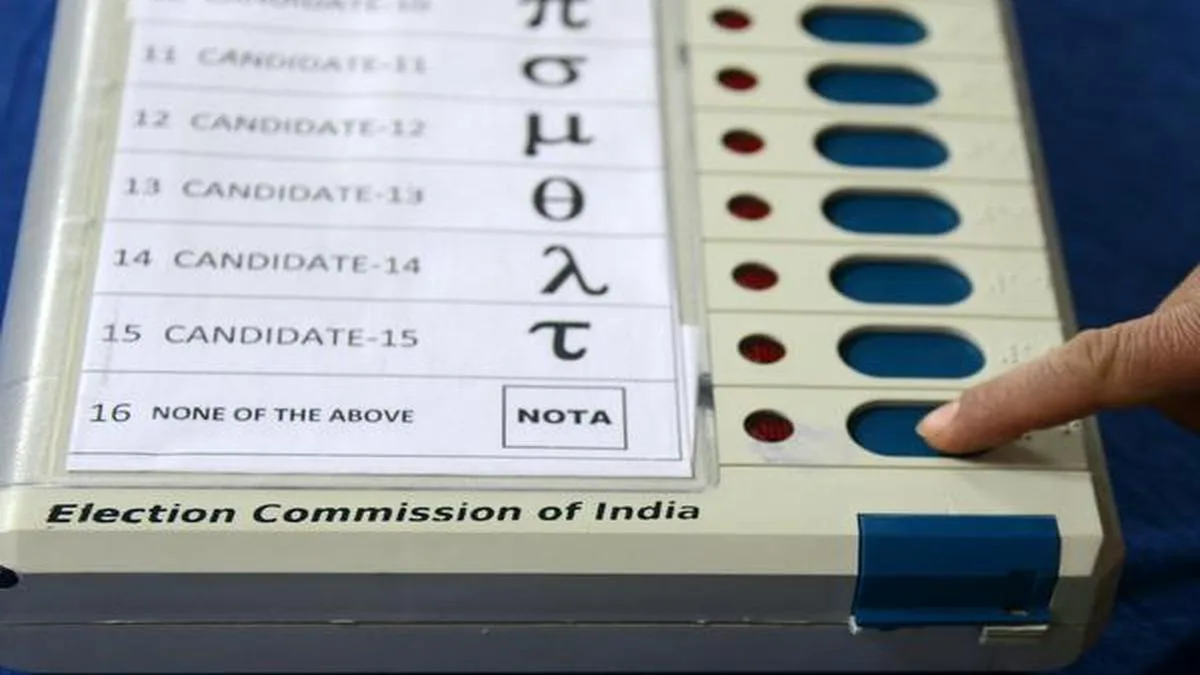
NOTA (None of the Above)
NOTA was introduced in 2013.
It allows voters to reject all candidates if they do not find any suitable option.
NOTA strengthens democratic choice.
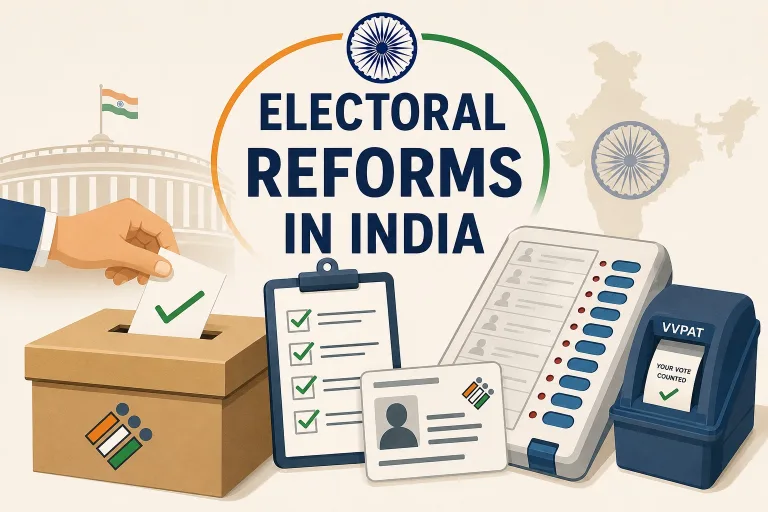
VVPAT System
VVPAT stands for Voter Verifiable Paper Audit Trail.
It enables voters to verify that their vote has been recorded correctly.
VVPAT improves transparency and trust in elections.
Registration of Political Parties
Any association wishing to function as a political party must register with the Election Commission.
Registered parties may later receive recognition as:
- State Party
- National Party
Any change in the party’s name or address must be reported to the Election Commission.
Political Funding
Political parties can receive donations from:
- Individuals
- Companies
However:
- Cash donations above ₹2,000 are not allowed.
- Donations above ₹2,000 must be reported to the Election Commission.
Political funding transparency remains an important issue in India.
Declaration of Assets and Liabilities
Candidates must submit an affidavit containing:
- Criminal records
- Assets
- Liabilities
- Educational qualifications
This helps voters make informed choices.
After election, MPs must also declare their assets and liabilities.
Right to Information and Criminal Background
Candidates must disclose:
- Pending criminal cases
- Convictions
- Offences carrying imprisonment of two years or more
This promotes transparency in politics.
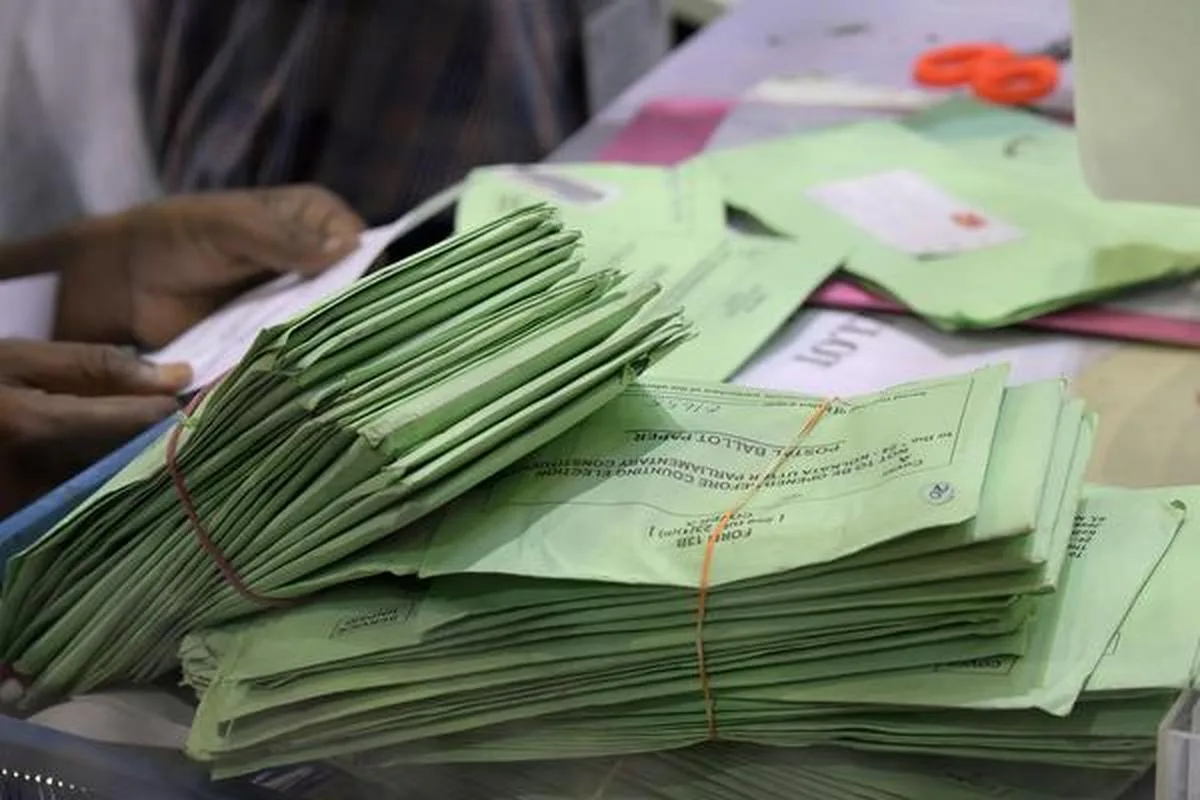
Postal Ballot
Certain categories of voters can vote through postal ballots.
Examples include:
- Service voters
- Government employees on election duty
- Other notified categories
This ensures wider participation.
Restrictions During Elections
Section 126
Campaigning through television and electronic media is prohibited 48 hours before voting ends.
This period is called the “silence period.”
Exit Poll Restrictions
Section 126A prohibits publication of exit polls during the restricted period.
This prevents undue influence on voters.
Election Expenditure Limits
To reduce the influence of money, spending limits are imposed.
Currently:
- Lok Sabha candidate: Up to ₹70 lakh in large states
- Assembly candidate: Up to ₹28 lakh
Candidates must maintain expenditure records.
Counting of Votes
Votes are counted under the supervision of the Returning Officer.
Candidates and their agents can observe the counting process.
Any tampering or damage to ballot papers must be reported immediately.
Corrupt Practices under RPA 1951
The Act defines several corrupt practices.
Bribery
Offering money, gifts, or benefits to influence voters.
Undue Influence
Threatening or pressuring voters to vote in a particular way.
False Statements
Publishing false information about a candidate’s character.
Misuse of Vehicles
Providing transportation to voters in violation of election rules.
These activities are punishable under law.
Promoting Enmity
Any person who promotes hatred based on:
- Religion
- Caste
- Race
- Community
- Language
can face imprisonment up to three years.
The objective is to maintain harmony during elections.
Disqualification of MPs and MLAs
The Act provides for disqualification under various conditions.
Conviction and Jail Term
If an MP or MLA is convicted and sentenced to imprisonment for two years or more, they are disqualified.
The disqualification continues for six years after release from prison.
Supreme Court Judgment
In 2013, the Supreme Court struck down Section 8(4), making disqualification immediate upon conviction.
Importance of the Representation of the People Act
The RPA plays a crucial role in India’s democracy.
Ensures Free and Fair Elections
It creates rules that prevent manipulation and unfair practices.
Strengthens Democracy
Every citizen gets an opportunity to participate in governance.
Promotes Equal Representation
Delimitation ensures balanced representation across constituencies.
Increases Transparency
Candidates must disclose assets and criminal records.
Reduces Criminalization of Politics
Convicted individuals face disqualification.
Encourages Accountability
Political parties and candidates are required to follow strict legal guidelines.
Challenges in Implementation
Despite strong provisions, some challenges remain.
False Declarations
Candidates sometimes hide assets or provide incorrect information.
Dependence of Election Commission
The Election Commission still relies on government staff and resources.
Misuse of Government Machinery
Ruling parties may misuse public resources during elections.
Money Power
Excessive spending and hidden funding continue to influence elections.
Electoral Roll Issues
Many eligible voters sometimes find their names missing from electoral rolls.
Way Forward
Several reforms can strengthen the electoral system.
Strengthen the Election Commission
Provide greater financial and administrative independence.
Make False Declarations Punishable
Stricter penalties should be imposed for incorrect disclosures.
Improve Electoral Rolls
Regular updates and verification should be conducted.
Regulate Political Funding
Greater transparency is needed in donations and election spending.
State Funding of Elections
Partial state funding may reduce the influence of money in politics.
Better Use of Technology
Digital tools can improve voter registration and election management.
Conclusion
The Representation of the People Act, 1950 and 1951 form the backbone of India’s electoral system. These laws ensure that elections are conducted fairly, transparently, and democratically. They define voter rights, regulate political parties, establish qualifications and disqualifications, and prevent corrupt practices.
Over the years, these Acts have played a vital role in strengthening Indian democracy. However, challenges such as money power, criminalization of politics, false disclosures, and misuse of government machinery still exist. Continuous reforms, stronger institutions, and active citizen participation are necessary to make India’s electoral system more transparent, accountable, and trustworthy.
A strong democracy depends on free and fair elections, and the Representation of the People Act remains one of the most important tools for protecting that democratic foundation.
FAQs
1. What is the Representation of People Act?
The Representation of People Act (RPA) is a set of laws that regulates elections, voter registration, political parties, and qualifications of candidates in India.
2. When were the Representation of People Acts enacted?
The Representation of the People Act, 1950 and the Representation of the People Act, 1951 were enacted by the Indian Parliament to regulate the electoral process.
3. What is the main purpose of the RPA 1950?
The RPA 1950 deals with electoral rolls, delimitation of constituencies, allocation of seats, and voter qualifications.
4. What is the main purpose of the RPA 1951?
The RPA 1951 regulates the conduct of elections, registration of political parties, election disputes, and qualifications and disqualifications of candidates.
5. Who conducts elections in India?
The Election Commission of India conducts and supervises elections in India.
6. What is the minimum age to contest Lok Sabha elections?
A person must be at least 25 years old to contest Lok Sabha elections.
7. What is NOTA in elections?
NOTA (None of the Above) allows voters to reject all candidates if they do not prefer any of them.
8. What is VVPAT?
VVPAT (Voter Verifiable Paper Audit Trail) is a system attached to EVMs that allows voters to verify their vote.
9. Can a convicted person contest elections?
A person convicted and sentenced to imprisonment of two years or more is disqualified from contesting elections under the RPA 1951.
10. Why is the Representation of People Act important?
It ensures free and fair elections, promotes transparency, prevents corrupt practices, and strengthens democracy in India.