


Right to Information Act in India

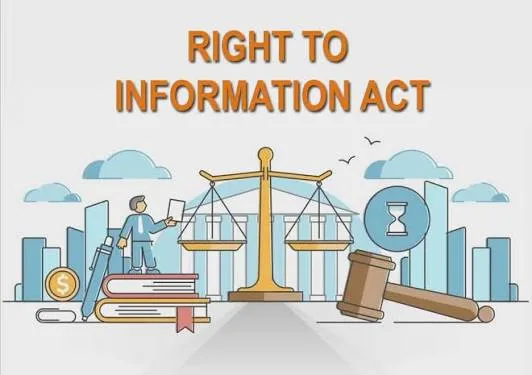
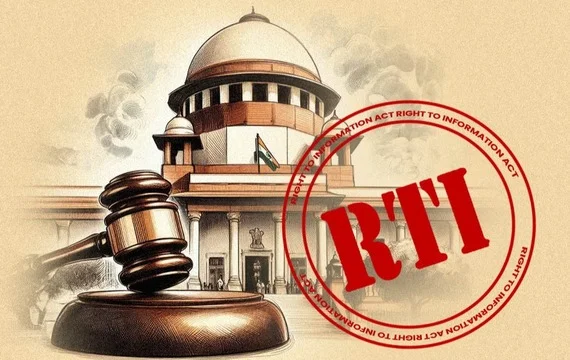
Right to Information (RTI) is one of the most important laws in India that helps citizens ask questions to the government and get official information. The Right to Information Act, 2005 was created to make the government more transparent and accountable. It gives every Indian citizen the legal right to know how public authorities work, how decisions are made, and how public money is used.
Thank you for reading this post, don't forget to subscribe!This law plays a major role in reducing corruption and improving governance. It allows common people to access government records and understand whether public services are working properly.
What is Right to Information?
Right to Information means the right of citizens to request information from public authorities. If a government office has information related to public work, citizens can ask for it under the RTI Act.
This includes:
- Government records
- Official documents
- Reports
- Orders
- Circulars
- Emails
- Contracts
- Data stored in electronic form
In simple words, RTI gives power to people to ask, “What is happening inside government offices?”
Historical Background of RTI
The idea of access to information is not new. In 1948, the United Nations adopted the Universal Declaration of Human Rights, which recognized the right of every person to seek and receive information.
Later, the International Covenant on Civil and Political Rights (1966) also supported freedom of expression and the right to share and receive information.
In India, the foundation of RTI became stronger after a major court judgment in 1986, in the Kulwal vs Jaipur Municipal Corporation case. The Supreme Court of India said that the right to freedom of speech under Article 19(1)(a) of the Constitution includes the Right to Information. Without information, people cannot properly use their freedom of speech.
Finally, the Indian Parliament passed the Right to Information Act in 2005.
Objectives of RTI Act
The main goals of the RTI Act are:
- To empower citizens
- To promote transparency
- To increase accountability in government
- To reduce corruption
- To improve people’s participation in democracy
RTI makes governance more open and citizen-friendly.
Why Was RTI Needed?
Several reasons led to the creation of RTI:
1. Corruption and Scandals
Corruption in many departments created mistrust among citizens. People wanted access to official information.
2. Public Demand
Activists and civil society groups strongly demanded transparency in governance.
3. Modern Information Era
As technology developed, people expected quick access to information.
Important Features of RTI Act
1. Coverage of the Act
The RTI Act applies across India and covers most public authorities.
2. Meaning of Information
Information includes any material in any form such as:
- Records
- Documents
- Emails
- Reports
- Memos
- Circulars
- Electronic data
3. What Rights Citizens Get
Under RTI, citizens can:
- Inspect records and documents
- Take notes or copies
- Obtain certified documents
- Collect samples of materials
- Receive digital information like CDs or printouts
What is a Public Authority?
A public authority means any government body or institution created by:
- The Constitution
- Parliament
- State Legislature
- Government notification or order
It also includes bodies that are substantially funded by the government.
Examples:
- Ministries
- Municipal offices
- Government schools
- Government hospitals
- Public sector companies
Even some NGOs funded heavily by the government may come under RTI.
Time Limit for Giving Information
The RTI Act sets a fixed time limit.
- Normal cases: 30 days
- If matter concerns life or liberty: 48 hours
If the application reaches the wrong department first, extra 5 days may be added.
This ensures citizens do not wait endlessly.
Role of Information Officers
Every public authority appoints officers called Public Information Officers (PIOs).
Their job is to:
- Receive RTI applications
- Collect requested information
- Provide replies within the time limit
At the central and state level, there are also Information Commissions to hear appeals and complaints.
Importance of RTI
The RTI Act has changed governance in India in many ways.
1. Increases Transparency
Government offices cannot hide important public information easily.
2. Improves Accountability
Officials become more careful because citizens can question them.
3. Reduces Corruption
RTI has exposed several corruption cases and misuse of public money.
4. Helps Common People
Poor and weaker sections can ask about welfare schemes, pensions, ration cards, and benefits.
5. Strengthens Democracy
Democracy becomes stronger when citizens stay informed.
RTI played a major role in exposing large scandals such as:
- Commonwealth Games irregularities
- 2G spectrum case
- Coal allocation issues
These cases showed how powerful access to information can be.
Challenges of RTI
Although RTI is useful, several problems still exist.
1. Misuse of RTI
Some people misuse RTI by filing unnecessary or excessive applications.
Examples:
- Asking for huge amounts of data
- Filing RTIs for publicity
- Harassing public officials
2. Lack of Awareness
Many citizens, especially in rural areas, still do not know how RTI works.
3. Illiteracy
Some people cannot write or understand official processes.
4. Poor Record Keeping
Many departments still maintain records poorly.
Missing or unorganized records make information difficult to provide.
5. Lack of Staff
Information Commissions often face staff shortages and delays.
RTI and Other Laws
Some older laws restrict sharing information.
Indian Evidence Act
Certain government documents related to state affairs may remain secret.
Official Secrets Act (OSA), 1923
The OSA was introduced by British rule to keep government secrets confidential.
It covers:
- National security
- Diplomacy
- Espionage
- State secrets
However, the RTI Act has stronger legal power in many cases.
RTI vs Official Secrets Act
If there is conflict between RTI and OSA, RTI usually overrides OSA.
Under Section 22, RTI has effect even if another law says otherwise.
Under Section 8(2), even protected information may be shared if public interest is greater than the harm caused by disclosure.
This protects transparency while balancing security.
RTI and Right to Privacy
RTI and privacy are both important rights.
Sometimes they support each other, and sometimes they conflict.
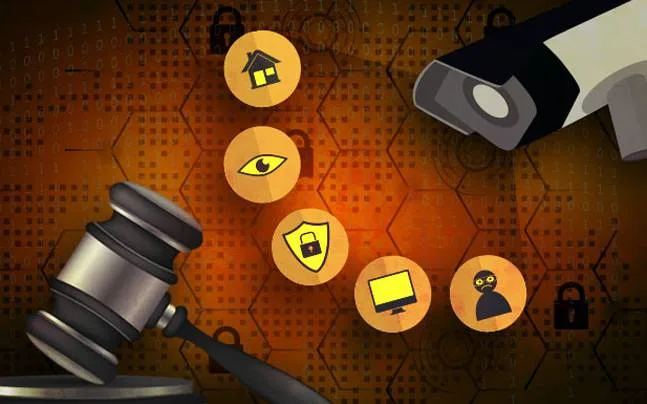
- RTI gives access to information
- Privacy protects personal information
For example:
A citizen may ask for government records, but private personal details should remain protected.
When conflict happens, authorities must balance:
- Public interest
- Privacy rights
- Public morality
RTI and Political Parties
There has been debate about whether political parties should come under RTI.
Why Activists Support This
Activists say political parties should be under RTI because they receive many public benefits.
Reasons include:
- Large corporate donations
- Possible corruption
- Risk of illegal foreign funding
- Public resources like free airtime and office facilities
Transparency in political funding can reduce corruption.
Political Parties’ Stand
Political parties argue:
- They are not public authorities
- Information may be misused
- Financial details can already be disclosed under tax laws
This remains a controversial issue.
Recent Amendments and Concerns
Some RTI amendments have raised concerns.
Critics believe certain changes may weaken RTI.
Major concerns include:
1. Reduced Independence of Information Commissioners
Earlier, commissioners had fixed tenure and salary protections.
New changes allow the central government more control over:
- Salary
- Allowances
- Tenure
Critics fear this may reduce independence.
2. Safety of RTI Activists
Whistleblowers and RTI activists sometimes face threats or attacks.
This creates fear among citizens who expose corruption.
3. Weak Enforcement
Information Commissions often struggle to enforce orders fully.
Even when compensation is ordered, implementation can be slow.
Other Major Issues
Some additional problems affecting RTI include:
- Delay in hearings
- Vacant commissioner posts
- Weak infrastructure
- Lack of digital records
- Weak whistleblower protection
All these reduce the effectiveness of RTI.
Final Thoughts
The Right to Information Act, 2005 is one of India’s strongest tools for transparency and citizen empowerment. It changed the culture of secrecy in government and gave people the power to question authority.
RTI has helped expose corruption, improve public services, and strengthen democracy. However, misuse, delays, poor record management, and weak implementation still create obstacles.
For RTI to achieve its full purpose, India needs better awareness, stronger protection for whistleblowers, improved record systems, and independent information commissions. When used responsibly, RTI can build a more transparent and accountable government for everyone.
FAQs
Q1. What is Right to Information (RTI)?
Right to Information (RTI) is a law that allows Indian citizens to request information from government departments and public authorities.
Q2. When was the RTI Act introduced in India?
The Right to Information Act was passed by the Indian Parliament in 2005.
Q3. What is the main purpose of RTI?
The main purpose of RTI is to increase transparency, improve accountability, and reduce corruption in government offices.
Q4. Who can file an RTI application?
Any Indian citizen can file an RTI application to seek information from a public authority.
Q5. How much time is given to reply to an RTI application?
Normally, information must be provided within 30 days. In urgent cases involving life or liberty, it must be provided within 48 hours.
Q6. What kind of information can be requested under RTI?
Citizens can ask for records, documents, reports, circulars, emails, orders, and other official information held by public authorities.
Q7. Can all information be shared under RTI?
No. Certain information related to national security, personal privacy, and sensitive matters may be exempt.
Q8. Why is RTI important in democracy?
RTI strengthens democracy by allowing citizens to monitor government actions and demand accountability.