


Witness Protection Scheme 2018

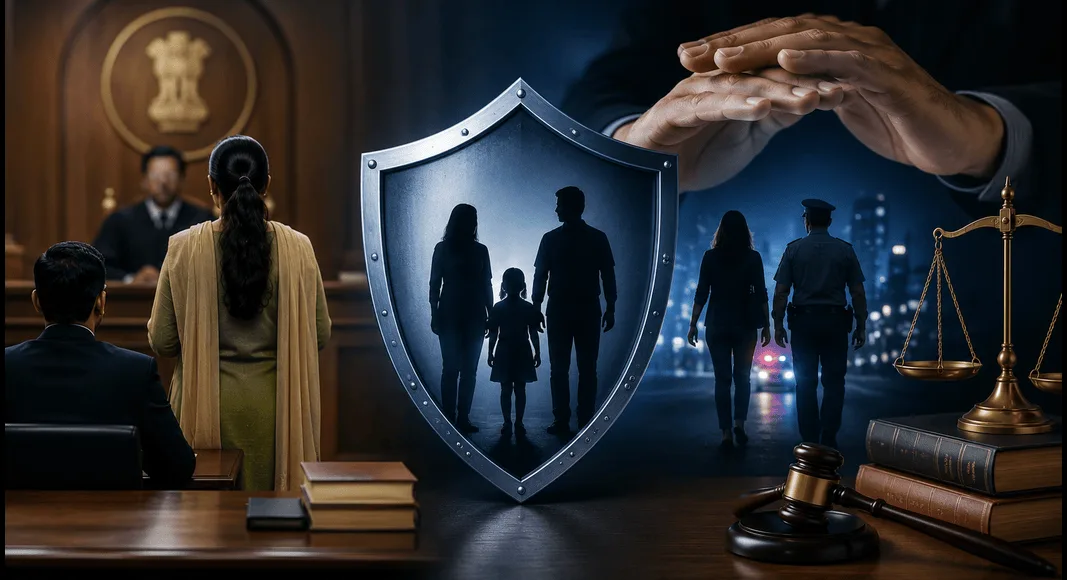
Witness Protection Scheme is an important step taken by India to strengthen the justice system and protect people who come forward to speak the truth in courts. A witness is a person who has seen a crime or has important information related to a case. Witnesses help courts and police understand what really happened during a crime. Their statements often become the strongest evidence in criminal cases.
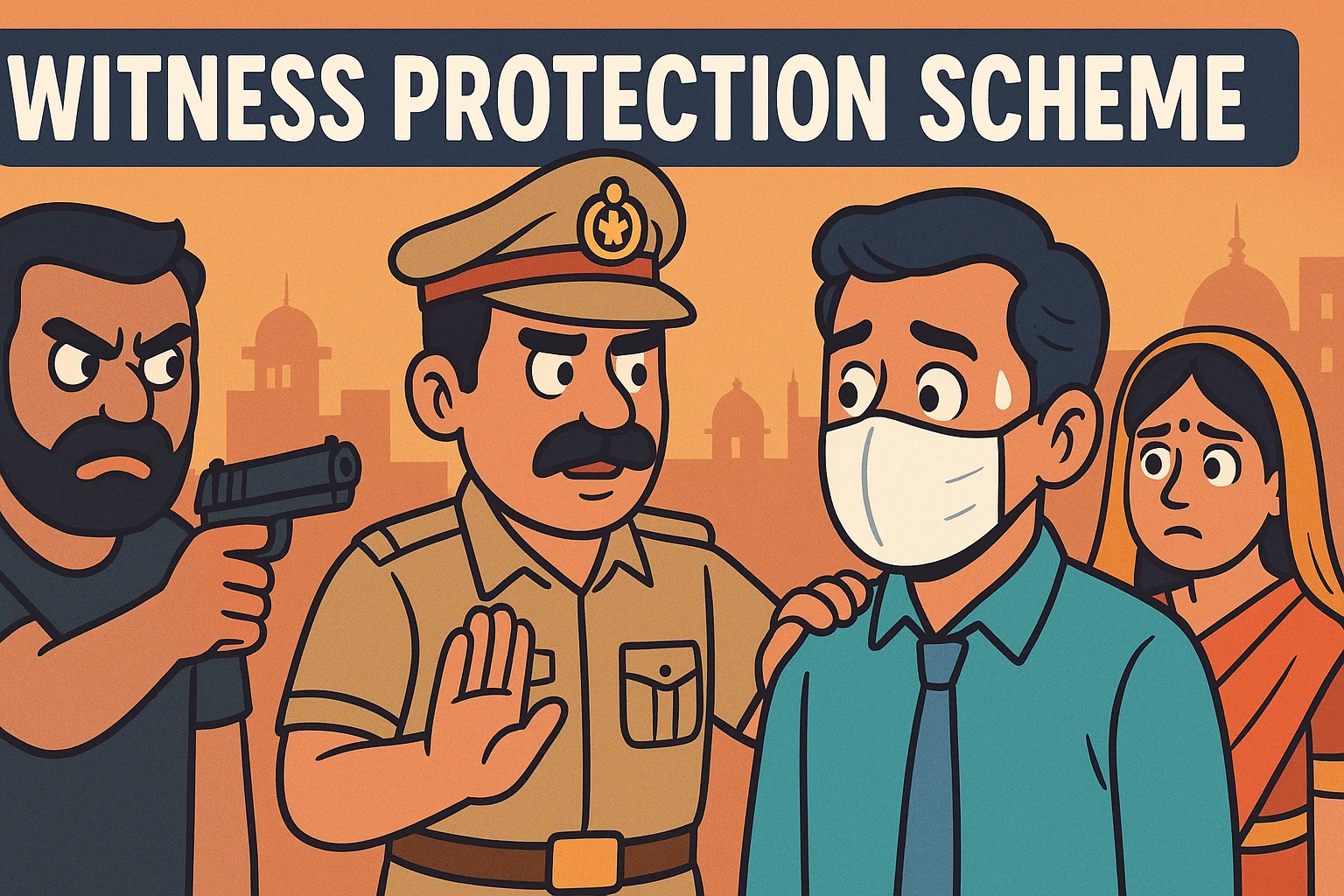
However, many witnesses in India face threats, fear, pressure, violence, and harassment from criminals or powerful people. In many serious criminal cases, witnesses are attacked, forced to change their statements, or even killed. Because of this fear, many people refuse to testify in court. This weakens the justice system and allows criminals to escape punishment.

To solve this problem, the Supreme Court approved the Witness Protection Scheme 2018 in December 2018. The scheme aims to provide security and support to witnesses so that they can give truthful statements without fear. The Supreme Court also declared that the scheme would become the “law of the land” until Parliament passes a separate law on witness protection.
The Witness Protection Scheme is considered a major reform in India’s criminal justice system because it recognizes that witnesses are essential for fair trials and justice.
What is Witness Protection Scheme?
The Witness Protection Scheme 2018 is India’s first official witness protection program. It provides legal and physical protection to witnesses who face danger because of their involvement in criminal cases.
The scheme was prepared by the Central Government in consultation with:
- National Legal Services Authority
- Bureau of Police Research and Development
The scheme aims to ensure that witnesses can testify freely and honestly in courts without fear of threats, intimidation, or violence.
The scheme applies to all states and union territories of India.
Why was Witness Protection Scheme Needed?
India needed a witness protection system for many years. Several criminal cases failed because witnesses turned hostile or refused to testify. In many cases, witnesses were threatened by criminals and powerful accused persons.
Fear Among Witnesses
Witnesses often face:
- Death threats
- Physical attacks
- Harassment
- Pressure from criminals
- Social pressure
- Economic pressure
- Emotional trauma
Many witnesses fear that if they speak the truth in court, they and their families may be harmed.
Weak Criminal Justice System
Without witness support:
- Criminals escape punishment
- Cases become weak
- Trials get delayed
- Public trust in courts decreases
A strong witness protection system is necessary for fair justice.
Famous Cases that Highlighted the Problem
One important case that highlighted the need for witness protection was the case involving Asaram Bapu.
During the rape case trial against him:
- Several witnesses were attacked
- Some witnesses were killed
- Many faced threats and pressure
The Supreme Court noticed that witnesses were afraid to testify. This led to stronger discussions about witness safety in India.
Supreme Court Judgment on Witness Protection Scheme
In December 2018, the Supreme Court of India approved the Witness Protection Scheme 2018.
The Court declared that witness protection is connected to the Right to Life under Article 21 of the Constitution.
Importance of Article 21
Article 21 guarantees:
- Right to life
- Right to personal liberty
- Right to live with dignity
The Court said witnesses must feel safe while helping the justice system.
Articles 141 and 142
The Supreme Court used Articles 141 and 142 to enforce the scheme.
Article 141
It states that laws declared by the Supreme Court are binding on all courts in India.
Article 142
It gives the Supreme Court power to pass orders necessary for complete justice.
Using these constitutional powers, the Court made the Witness Protection Scheme legally enforceable across India.
Objectives of Witness Protection Scheme
The main goals of the scheme are:
- To protect witnesses from threats and violence
- To ensure fair trials
- To encourage truthful testimony
- To strengthen the criminal justice system
- To increase public confidence in courts and police
- To reduce witness intimidation
Categories of Witnesses Under the Scheme
The scheme divides witnesses into three categories based on the level of threat they face.
Category A
This includes cases where there is a serious threat to the life of the witness or family members.
Examples:
- Terrorism cases
- Murder cases
- Organized crime cases
Protection may continue even after the trial ends.
Category B
This includes cases where there is a threat to:
- Safety
- Reputation
- Property
Protection is generally provided during investigation and trial.
Category C
This includes moderate threats such as:
- Harassment
- Intimidation
- Minor threats
The level of protection is lower compared to Categories A and B.
Threat Analysis Report
A Threat Analysis Report is an important part of the scheme.
What is it?
It is a report prepared by police authorities after examining the level of danger faced by the witness.
Who prepares it?
The report is prepared by:
- Commissioner of Police
- Superintendent of Police (SP)
- Senior Superintendent of Police (SSP)
Purpose
The report helps authorities decide:
- Type of protection needed
- Duration of protection
- Risk level faced by witness
The report must be completed quickly to ensure immediate protection.
Witness Protection Fund
The scheme creates a special Witness Protection Fund.
Purpose of the Fund
The money is used for:
- Security arrangements
- Safe houses
- Relocation expenses
- Identity changes
- Transportation
- Emergency support
Sources of the Fund
The fund receives money from:
- State government budgets
- Fines imposed by courts
- Donations and grants
Protection Measures Under the Scheme
The scheme provides several protection measures depending on the seriousness of the threat.
Police Protection
Witnesses may receive:
- Police escorts
- Security guards
- Patrolling near homes
Safe Houses
Witnesses may be shifted to secret locations for safety.
Identity Protection
The identity of witnesses can be hidden from the public.
This includes:
- Changing names
- Protecting addresses
- Concealing photographs
Relocation
In serious cases, witnesses may be relocated to another city or state.
In-Camera Trials
The court may conduct private hearings where the public is not allowed.
Separate Deposition Rooms
The Supreme Court asked states to create special rooms where:
- Witnesses and accused persons do not come face to face
- Witnesses feel safe while giving statements
Video Conferencing
Witnesses may testify through video conferencing to avoid direct contact with criminals.
Witness Protection Application Process
Step 1: Application
A witness or family member can apply for protection.
Applications can also be made by:
- Police officers
- Lawyers
- Courts
Step 2: Threat Assessment
Police conduct a threat analysis.
Step 3: Decision by Competent Authority
The Competent Authority studies the report and decides protection measures.
Usually, the authority includes officials from:
- District Legal Services Authority
- Police department
Step 4: Protection Order
A Witness Protection Order is issued.
Step 5: Implementation
The Witness Protection Cell provides security and support.
Importance of Witnesses in Justice System
Witnesses are often called the “eyes and ears of justice.”
Without witnesses:
- Courts cannot establish truth
- Criminals may escape punishment
- Innocent people may suffer
Witnesses help maintain law and order in society.
Importance of Witness Protection Scheme
Encourages Truthful Testimony
Witnesses feel safer and more confident.
Reduces Fear
People are more willing to cooperate with police and courts.
Improves Conviction Rate
Strong witness testimony increases chances of punishing criminals.
Strengthens Rule of Law
The scheme supports justice and constitutional rights.
Protects Human Rights
Witness safety is connected to human dignity and life.
Role of Judiciary in Witness Protection
Indian courts have repeatedly emphasized witness safety.
Important cases include:
- State of Gujarat vs Anirudh Singh (1997)
- Zahira Sheikh case
- Best Bakery case
Courts observed that justice becomes meaningless if witnesses are unsafe.
Role of Law Commission and Committees
Several committees recommended witness protection laws.
Law Commission Reports
The Law Commission stressed:
- Need for legal protection
- Identity protection
- Physical safety
Malimath Committee
The committee recommended:
- Witness-friendly procedures
- Strong legal safeguards
- Separate witness support systems
These recommendations influenced the Witness Protection Scheme.
Challenges in Implementing Witness Protection Scheme
Although the scheme is important, many challenges remain.
Financial Challenges
Providing security is expensive.
States need funds for:
- Police personnel
- Technology
- Safe houses
- Relocation
Lack of Awareness
Many witnesses do not know about their rights.
Limited Infrastructure
Many states lack:
- Safe witness rooms
- Video conferencing facilities
- Trained staff
Delay in Trials
Long court cases increase pressure on witnesses.
Corruption and Political Pressure
Powerful criminals may influence investigations.
Identity Change Difficulties
Changing identity can affect:
- Jobs
- Education
- Property rights
- Family life
Witness Protection in Other Countries
Many countries already have strong witness protection programs.
United States
The United States has the Witness Security Program (WITSEC).
It provides:
- New identity
- Relocation
- Financial assistance
Italy
Italy protects witnesses in mafia-related cases.
Australia and Canada
These countries also have detailed witness safety laws.
India can learn from their experiences.
Technology and Witness Protection
Technology can improve witness safety.
Video Conferencing
Allows remote testimony.
Digital Identity Protection
Helps keep witness information secure.
CCTV and Surveillance
Improves monitoring of threats.
Online Complaint Systems
Witnesses can report threats quickly.
Witness Protection and Human Rights
Witness protection is closely related to human rights.
Every person has the right to:
- Life
- Dignity
- Safety
- Fair treatment
Protecting witnesses ensures justice for victims and society.
Witness Protection and Women
Women witnesses in sexual violence cases are highly vulnerable.
They often face:
- Social pressure
- Character assassination
- Threats
- Mental trauma
The scheme provides important support to women witnesses.
Witness Protection and Child Witnesses
Children are especially vulnerable.
They may become scared during trials.
Special child-friendly courts and separate deposition rooms help children testify comfortably.

Witness Protection and National Security
Witness protection also helps in:
- Terrorism cases
- Organized crime cases
- Drug trafficking cases
Strong witness security helps police fight serious crimes.
Need for a Separate Witness Protection Law
Currently, the scheme works under Supreme Court directions.
India still needs:
- A complete witness protection law
- Parliamentary legislation
- Uniform implementation
A proper law can provide stronger legal backing.
Suggestions to Improve Witness Protection in India
Better Funding
Governments should increase budget allocation.
Faster Trials
Quick trials reduce witness pressure.
Police Training
Police should receive specialized training.
Public Awareness
People should know their rights.
Strong Confidentiality
Witness identities must remain secret.
Technology Use
Digital systems should improve safety and communication.
Independent Monitoring
Independent authorities should monitor implementation.
Role of Citizens
Citizens should support truthful witnesses instead of intimidating them.
Society must understand that witnesses help protect justice and democracy.
Conclusion
Witness Protection Scheme 2018 is a landmark step in India’s criminal justice system. It recognizes that witnesses play a very important role in ensuring justice. Without witness protection, many people remain silent because of fear, threats, and violence.
The Supreme Court’s decision to enforce the scheme shows the importance of protecting the constitutional rights of witnesses. The scheme helps witnesses testify without fear and strengthens the rule of law in India.
Although challenges such as funding, infrastructure, and awareness still exist, the scheme has created a strong foundation for future reforms. With better implementation, faster courts, stronger police support, and public awareness, witness protection can become more effective.
Witnesses are truly the “eyes and ears of justice.” Protecting them means protecting truth, justice, democracy, and human rights in India.
FAQs on Witness Protection Scheme 2018
- What is the Witness Protection Scheme 2018?
It is a scheme created to protect witnesses from threats, intimidation, and violence during criminal cases. - Why was the Witness Protection Scheme introduced?
It was introduced to help witnesses testify fearlessly and strengthen the justice system. - Which court approved the Witness Protection Scheme?
The Supreme Court of India approved the scheme in 2018. - Under which Article is witness protection linked to fundamental rights?
Witness protection is linked to Article 21, which guarantees the Right to Life and personal liberty. - What are the categories of witnesses under the scheme?
The scheme divides witnesses into Category A, B, and C based on the level of threat they face. - What is a Threat Analysis Report?
It is a report prepared by police authorities to assess the danger faced by a witness. - What protection measures are provided to witnesses?
Measures include police security, safe houses, relocation, identity protection, and video conferencing. - What is the Witness Protection Fund?
It is a fund created to cover expenses related to witness security and protection. - Why are witnesses important in criminal cases?
Witnesses help courts discover the truth and ensure justice is delivered fairly. - What challenges does the Witness Protection Scheme face?
Challenges include lack of funds, poor infrastructure, delayed trials, and low public awareness.