Mauryan Architecture (Part-2): Popular Art, Sculpture & Post-Mauryan Developments

Mauryan Architecture is one of the most important phases in the history of Indian art and culture. It marks the beginning of large-scale stone construction in India and shows the high level of skill achieved by ancient Indian artisans. The Mauryan period (around 322 BCE to 185 BCE), especially under rulers like Ashoka, saw the growth of both royal art and popular art. While royal art included grand pillars and palaces, popular art reflected the creativity of common people through caves, sculptures, and pottery.
Thank you for reading this post, don't forget to subscribe!Mauryan Popular Art
Mauryan popular art refers to artistic works that were not directly sponsored by the royal court. These works were created by local artisans and were deeply connected to religious practices and daily life. The main forms of Mauryan popular art include:
- Cave Architecture
- Sculptures
- Pottery
These forms of art show the creativity and technical knowledge of the people during that time.
Cave Architecture in Mauryan Period
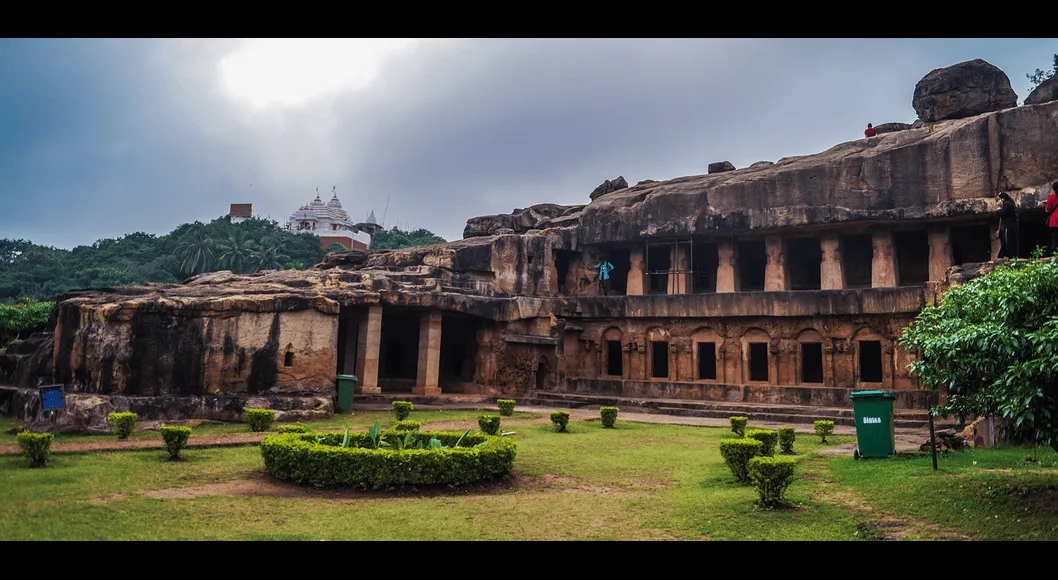
One of the most remarkable features of Mauryan Architecture is the development of rock-cut caves. These caves were mainly used by monks belonging to religions like Buddhism, Jainism, and the Ajivika sect.
Purpose of Caves
- Used as viharas (living places for monks)
- Served as meditation halls
- Provided shelter during rainy seasons
Key Features of Mauryan Caves
- Highly polished inner walls, giving a mirror-like shine
- Simple yet strong structure
- Decorative entrances or gateways
- Use of hard granite rock
The polishing technique used in these caves was so advanced that even today it amazes historians.
Famous Mauryan Caves
Barabar Caves
The Barabar caves are among the oldest rock-cut caves in India. They were built during the reign of Ashoka for the Ajivika sect.
Main caves include:
- Karna Chaupar Cave
- Sudama Cave
- Lomas Rishi Cave
- Vishwamitra Cave
The Lomas Rishi Cave is especially famous for its decorative entrance that resembles wooden architecture.
Nagarjuni Caves
These caves were built during the time of Dasharatha Maurya, the grandson of Ashoka.
Main caves include:
- Gopi Cave
- Vapiya Cave
- Vedathika Cave
These caves continued the tradition of polished interiors and were also dedicated to the Ajivika sect.
Ajivika Sect
The Ajivika sect was an ancient religious group during the Mauryan period.
- Founded by Makkhali Gosala
- Contemporary to Buddhism and Jainism
- Believed in Niyati (destiny), meaning everything in life is predetermined
This belief made the Ajivikas different from other religions, which emphasized personal effort.
Mauryan Sculptures
Sculpture was another important part of Mauryan Architecture. The sculptures of this period show both religious and artistic values.
Yaksha and Yakshi Sculptures
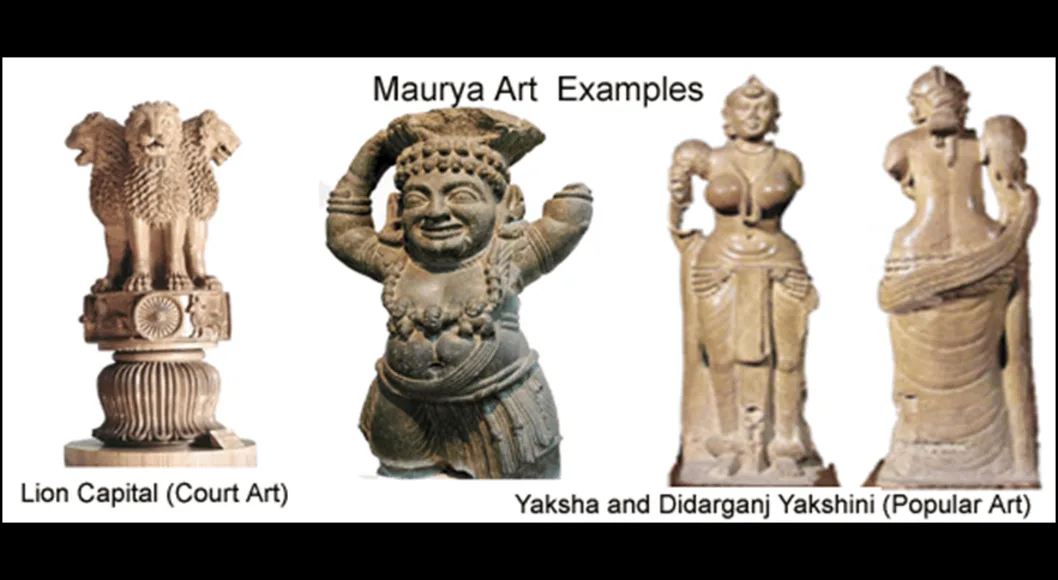
The most famous sculptures of this time are Yaksha (male nature spirits) and Yakshi (female nature spirits).
- Worshipped in Buddhism, Jainism, and Hinduism
- Represented fertility, wealth, and prosperity
Important Examples
- Didarganj Yakshi (found in Patna)
- Lohanipur male torso
The Didarganj Yakshi is especially famous for its smooth polish and beautiful design, which reflects the high skill of Mauryan artists.
Mauryan Pottery
Pottery in the Mauryan period is known as Northern Black Polished Ware (NBPW).
Features of Mauryan Pottery
- Black shining surface
- Smooth and glossy finish
- High-quality craftsmanship
- Used mainly by wealthy people
Major Centers
- Pataliputra (modern Patna)
- Kosambi
These pottery items were considered luxury goods and show the advanced level of technology in Mauryan times.
Post-Mauryan Art and Architecture
After the decline of the Mauryan Empire, many smaller kingdoms came into power. These included:
- Shungas
- Kanvas
- Kushanas
- Shakas
- Satavahanas
- Vakatakas
Even after the fall of the Mauryas, the traditions of Mauryan Architecture continued and developed further.
Rock-Cut Caves in Post-Mauryan Period
In this period, caves became more advanced and were divided into two main types:
1. Chaitya
- Prayer halls
- Contained a stupa
- Used for worship
2. Vihara
- Residential places for monks
- Included rooms and halls
Important Examples
- Udayagiri and Khandagiri caves in Odisha, built under Kharavela
- Hathigumpha inscription written in Brahmi script
- Ranigumpha cave (double-storied with beautiful carvings)
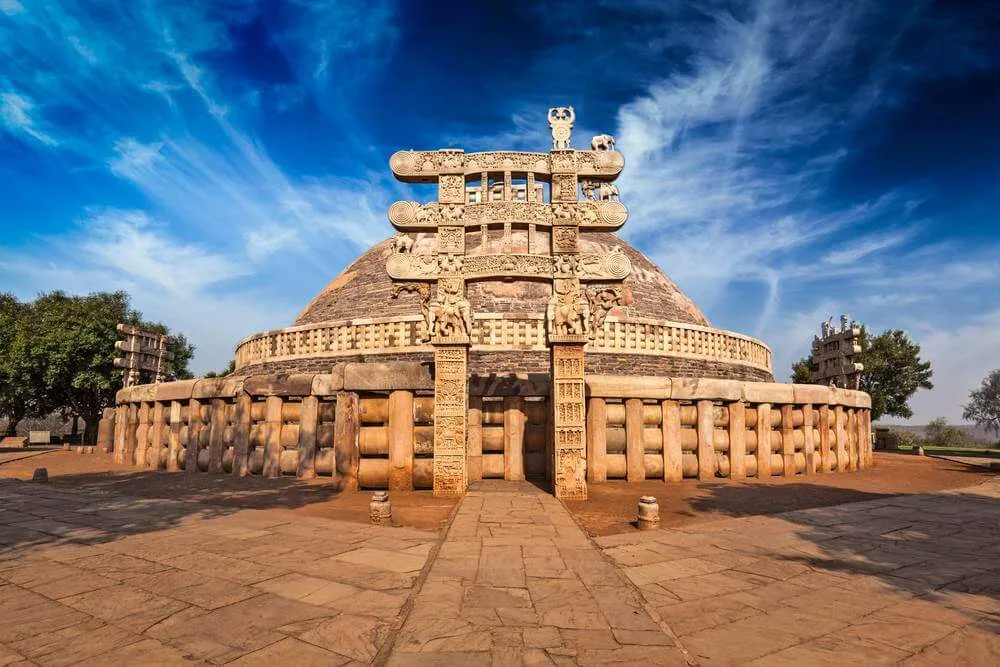
Development of Stupas
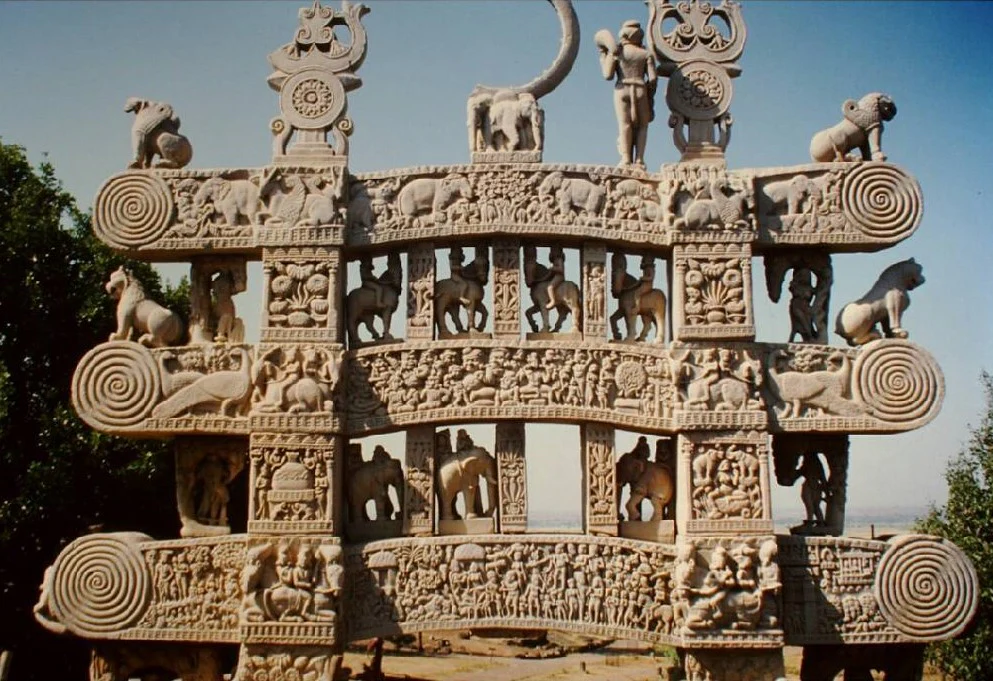
Stupas became larger and more decorative in the post-Mauryan period.
Changes in Stupas
- Use of stone instead of wood
- Addition of artistic gateways called Toranas
- More carvings and decorations
Example
- Bharhut Stupa in Madhya Pradesh
Toranas (Decorative Gateways)
Toranas were introduced during the Shunga period.
Features
- Highly decorated
- Show influence of Greek (Hellenistic) art
- Depict stories from Buddha’s life
These gateways added beauty and importance to stupas.
Schools of Sculpture in Post-Mauryan Period
Three major schools of sculpture developed during this time:
1. Gandhara School of Art
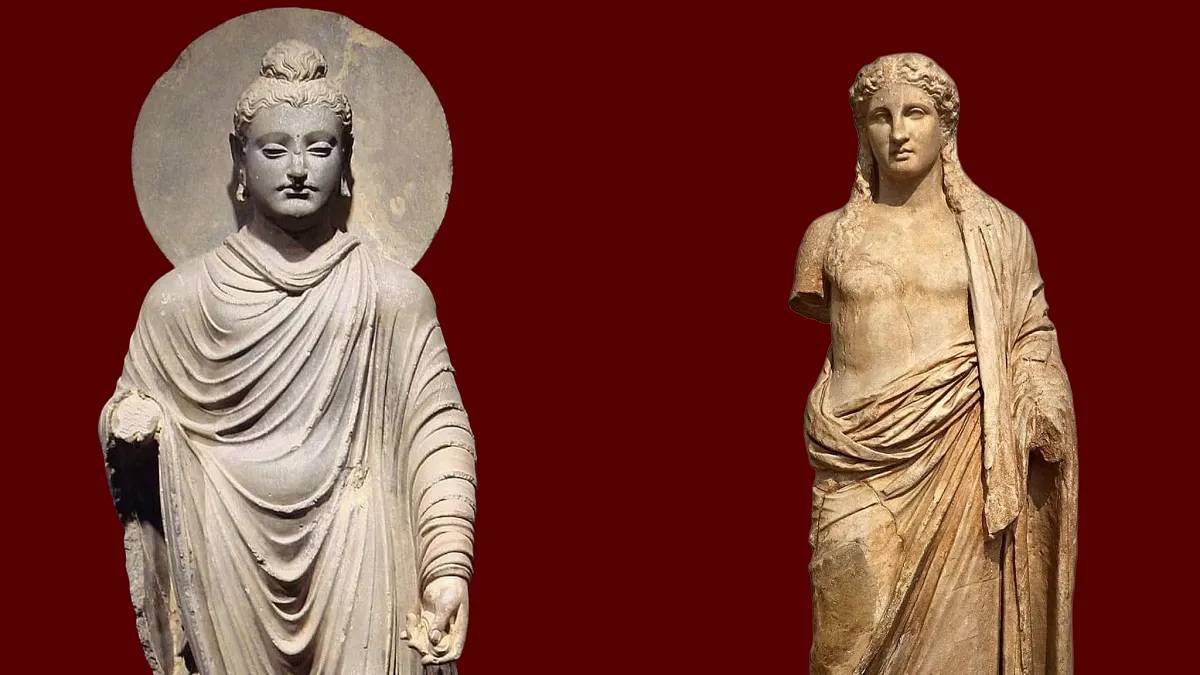
Also known as the Greco-Indian School of Art.
Origin
- Developed in northwest India (modern Pakistan and Afghanistan)
Patronage
- Supported by Shakas and Kushanas
Features
- Strong Greek influence
- Realistic human figures
- Buddha shown in human form for the first time
Important Centers
- Taxila
- Jalalabad
- Hadda
- Begram
Mudras in Gandhara Art
Buddha images were shown with different hand gestures called Mudras:
- Abhaya Mudra – Fearlessness
- Dhyana Mudra – Meditation
- Dharmachakra Mudra – Teaching
- Bhumisparsha Mudra – Calling earth as witness
Other mudras include:
- Vitarka (discussion)
- Anjali (greeting)
- Varada (charity)
- Karana (removal of evil)
2. Mathura School of Art
Origin
- Developed in Mathura region
Patronage
- Supported by Kushana rulers
Features
- Indigenous Indian style
- Use of red sandstone
- Influence of Buddhism, Jainism, and Hinduism
Symbolism
- Shiva represented as Linga
- Buddha shown with halo
- Bodhisattvas like Padmapani and Vajrapani
3. Amaravati School of Art
Origin
- Developed along Krishna River
Patronage
- Supported by Satavahanas
Features
- Focus on storytelling (Jataka tales)
- Use of dynamic figures
- Tribhanga posture (three bends in body)
Major Centers
- Amaravati
- Nagarjunakonda
Significance of Mauryan Architecture
Mauryan Architecture played a very important role in shaping Indian art and culture.
1. Beginning of Stone Architecture
Mauryans were the first to use stone on a large scale for construction.
2. Polished Stone Technique
- Mauryan pillars had mirror-like polish
- This shows advanced technical knowledge
3. Development of Pillars
- Made from single stone pieces
- Capitals had animal figures like lions and bulls
- Spread across India, showing unity and skill
4. Advancement in Sculpture
- High-quality sculptures like Yakshi
- Influence on later Indian art
5. Growth of Cave Architecture
- Started rock-cut architecture
- Inspired later caves in western and southern India
6. Terracotta Art Development
- Mass production of terracotta figures
- Represented animals and mother goddesses
- Important cultural symbols
Conclusion
Mauryan Architecture represents a golden period in Indian history where art, culture, and technology developed significantly. From polished caves and beautiful sculptures to advanced pottery and pillars, the Mauryan period laid a strong foundation for future artistic traditions.
Even after the fall of the Mauryan Empire, its influence continued through the post-Mauryan developments in caves, stupas, and sculpture schools like Gandhara, Mathura, and Amaravati.
Understanding Mauryan Architecture helps us appreciate the richness of India’s cultural heritage and the incredible skills of ancient artisans.
FAQs on Mauryan Architecture (Part-2)
1. What is Mauryan Architecture?
Mauryan Architecture refers to the art and construction style developed during the Mauryan Empire (322 BCE–185 BCE). It includes pillars, caves, sculptures, and pottery with advanced stone polishing techniques.
2. What are the main features of Mauryan cave architecture?
Mauryan caves are known for their highly polished interiors, simple structure, strong rock-cut design, and use as living spaces (viharas) for monks.
3. What is Northern Black Polished Ware (NBPW)?
NBPW is a type of pottery from the Mauryan period with a shiny black surface and smooth finish, mostly used by wealthy people as luxury items.
4. Who were the Ajivikas?
The Ajivikas were an ancient religious sect founded by Makkhali Gosala. They believed in destiny (Niyati), meaning everything in life is pre-decided.
5. Name some important Mauryan caves.
Important caves include Barabar Caves (Sudama, Lomas Rishi) and Nagarjuni Caves, mainly located in present-day Bihar.
6. What are Yaksha and Yakshi sculptures?
Yaksha and Yakshi are nature deities represented in Mauryan sculptures. They were worshipped in Buddhism, Jainism, and Hinduism.