Static GK for Competitive Exams – Free Notes, MCQs & PDFs

Success in competitive exams depends on a clear understanding of general knowledge. It has two main parts: current affairs and Important Static GK. Current affairs keep changing every day, but Static GK stays the same and helps build a strong base for learning. This article explains why a strong Static GK foundation is important for every student and aspirant preparing for competitive exams.
Thank you for reading this post, don't forget to subscribe!What is Static GK?
Static General Knowledge includes facts that stay the same over time. It is different from current affairs, which change every day. Static GK covers important areas such as history, geography, the Constitution, and basic scientific principles. It also includes information about famous personalities, important places, monuments, awards, institutions, and key concepts. These fixed facts help students build a strong base for competitive exam preparation.
Static GK covers diverse areas such as Indian history, geography, polity, economics, science, art and culture, sports, and international organisations. These facts remain constant and provide a reliable knowledge foundation for exam preparation.
Why Static GK is Crucial for Competitive Exams
Understanding why Static GK matters can greatly improve your exam preparation. Here are the key reasons every aspirant should focus on this part of General Knowledge:
Time-Efficient Preparation: Once you learn static facts, they remain the same. You do not need to revise them frequently, which saves time for other tough subjects.
High Scoring Potential: Static GK questions are usually direct and based on fixed facts. This makes them easier to answer and helps you score higher.
Foundation for Current Affairs: A strong base in static knowledge helps you understand daily news better. It gives you the background needed to remember current affairs more easily.
Interview Advantage: Good Static GK supports you during interviews. It shows your broad understanding, awareness, and knowledge about the country and the world.
Useful for Multiple Exams: The same Static GK topics appear in different competitive exams. So, one-time preparation helps you in many exams at once.
Essential Static GK Topics for Competitive Exams
Below is a comprehensive collection of must-know Static General Knowledge topics that frequently appear in competitive examinations. Each topic offers essential information every aspirant should learn for better exam performance.
Constitutional and Political Topics
Census of India 2011: The Census of India 2011 was the 15th National Census and the 7th since Independence. It began on April 1, 2010, with the President recorded as the first citizen. The slogan “Our Census, Our Future” highlighted its national importance. Conducted under C. Chandramouli, this Census remains one of the largest data-collection exercises in the world and an important part of Indian Static GK.
RBI Governors: India’s central banking framework is shaped by the leadership of the RBI Governors. Osborne Smith served as the first Governor, while C.D. Deshmukh became the first Indian to hold the position. The current Governor, Shaktikanta Das, took charge on December 12, 2018. The office plays a key role in monetary policy and financial stability, making it vital for static GK for competitive exams.
Governors-General of India: Warren Hastings was the first Governor-General of Bengal (1772-1785), while William Bentinck became the first Governor-General of India (1828-1835). These positions were crucial in establishing British administrative control over the Indian subcontinent.
Presidents of India: Dr. Rajendra Prasad was elected as the first constitutional head of state, the President of India. Since 1950, India has had 15 full-time Presidents, and there have been tenures when the country was headed by an acting president during transitions.
Vice-Presidents of India: The Vice-President of India is the second most important constitutional authority after the President. As per Article 65, the Vice-President is entitled to take important decisions in cases of contingency due to resignation, removal, death, impeachment, or the inability of the President to discharge functions.
UPSC Chairmen: Ross Barker was the first UPSC Chairman, joining the services in October 1926. There have been 32 UPSC Chairmen to date, with Pradeep Kumar Joshi serving as the acting Chairman of UPSC, overseeing civil services recruitment.
Chief Justices of India: The Chief Justice heads India’s Supreme Court and plays a vital role in judicial administration. Article 145 of the Constitution gives the Chief Justice of India the right to allocate respective matters of relevance to benches of judges.
Cabinet Ministers and Council: The Council of Ministers comprises the Prime Minister and ministers. The structure includes Cabinet Ministers, Ministers of State (Independent Charge), and Ministers of State, each with specific portfolios and responsibilities.
Prime Ministers of India (1947-2025): Article 75 of the Indian Constitution states that a Prime Minister is appointed by the President. Article 74(1) establishes that there shall be a Council of Ministers with a Prime Minister at the head to aid and advise the President.
State Governors: The Governor is the chief executive head of each state and acts as a Central Government representative. Each state has a Governor, and each Union Territory has a Lieutenant Governor with similar roles, responsibilities, and powers.
Members of Parliament: The Members of Parliament are representatives of the citizens of a country. There are two Houses of Parliament: Lok Sabha and Rajya Sabha. Rajya Sabha can have a maximum of 250 members, while the maximum strength of Lok Sabha can be 552 members.
Historical Knowledge
Mughal Emperors: The Mughal Empire began when Babur defeated Ibrahim Lodi in the Battle of Panipat in 1526. Over the next three centuries, emperors like Akbar, Shah Jahan, and Aurangzeb shaped India’s history through their policies, architectural achievements, and administrative reforms. These details are important for Static GK Questions in various competitive exams.
Sources of the Indian Constitution: The Indian Constitution was finalised on November 24, 1949, by a Constituent Assembly of 299 members. While drafting it, the Assembly adopted important principles from several global constitutions and the Government of India Act, 1935. These foundational details remain essential for Static General Knowledge, especially for aspirants preparing for government exams.
Important Acts and Bills in India: Acts and bills are laws made by the Indian Parliament. They help us understand why the government creates different rules and schemes for the people. Learning these laws gives a clear idea of how our country has changed from the time before independence to the new laws made today. This knowledge is very important for exams because many questions in Static GK come from these topics.
Women Empowerment Schemes: Article 15, clause 3 allows the government to make special rules for the welfare of women and children. To support gender equality and give more strength to women, the government has started many helpful schemes. These schemes aim to improve safety, education, health, and financial support for women. Such topics are often asked in Static GK for different competitive exams.
List of Firsts in India: India has earned many remarkable “firsts” in different areas of achievement. The first wax statue of a living Indian was made for Mahatma Gandhi at Madame Tussaud’s Museum. General Cariappa became the first Indian Commander-in-Chief of the Indian Army. India has also achieved many first positions in art, culture, science, architecture, and sports. These facts are important for students preparing for Static GK Quiz and other competitive exams.
Important Inventions and Discoveries: Many important inventions and discoveries have been made in different fields over time. These new ideas and creations change the way people live and help make daily life easier. They also play a big role in the growth and progress of the world. Learning these facts is useful for Static GK Revision and helps students prepare better for competitive exams.
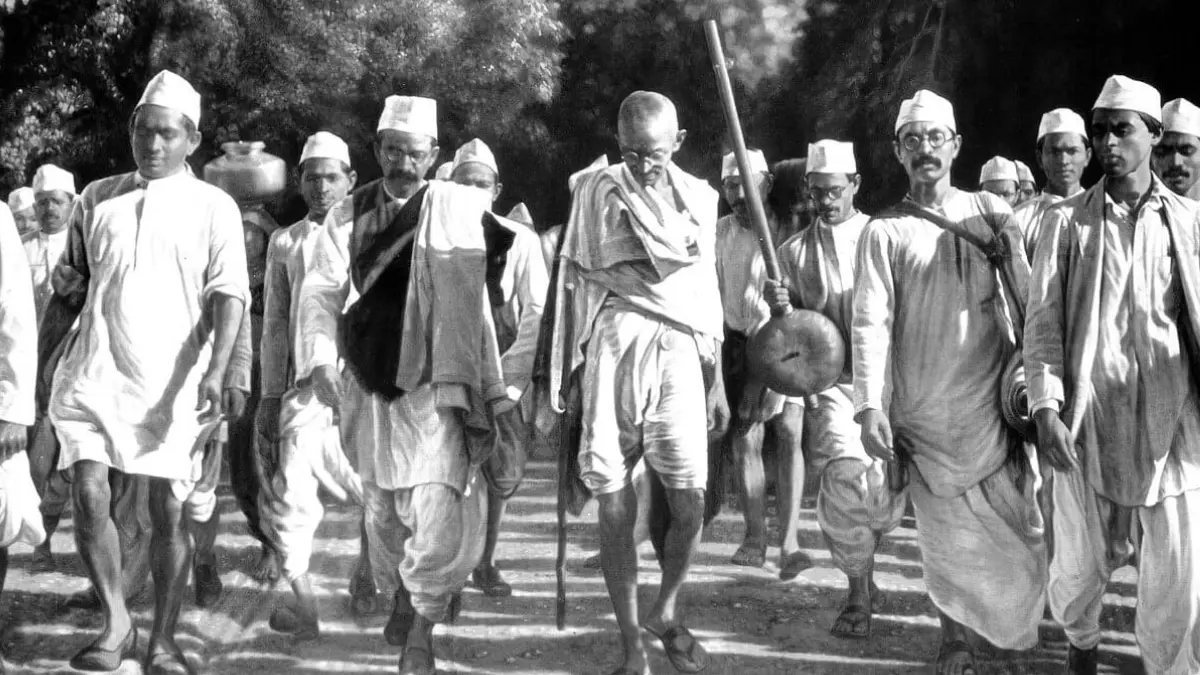
Freedom Fighters and National Leaders: Mahatma Gandhi, the Father of the Nation, helped India get freedom by using peace and non-violence. Subhas Chandra Bose started the Indian National Army and is known as Netaji for his courage. Bhagat Singh, Chandrashekhar Azad and Ashfaqulla Khan were brave heroes who gave their lives for the country. Learning about them helps students remember important facts and works as a Static GK Score Booster.
Historical Monuments in India: Historical monuments show the culture and long history of our country. These buildings are examples of great art and architecture. They help us understand how people lived in the past and inspire future generations. Learning about these monuments also helps students strengthen their Top Static GK Topics for exams.
Geographical Knowledge
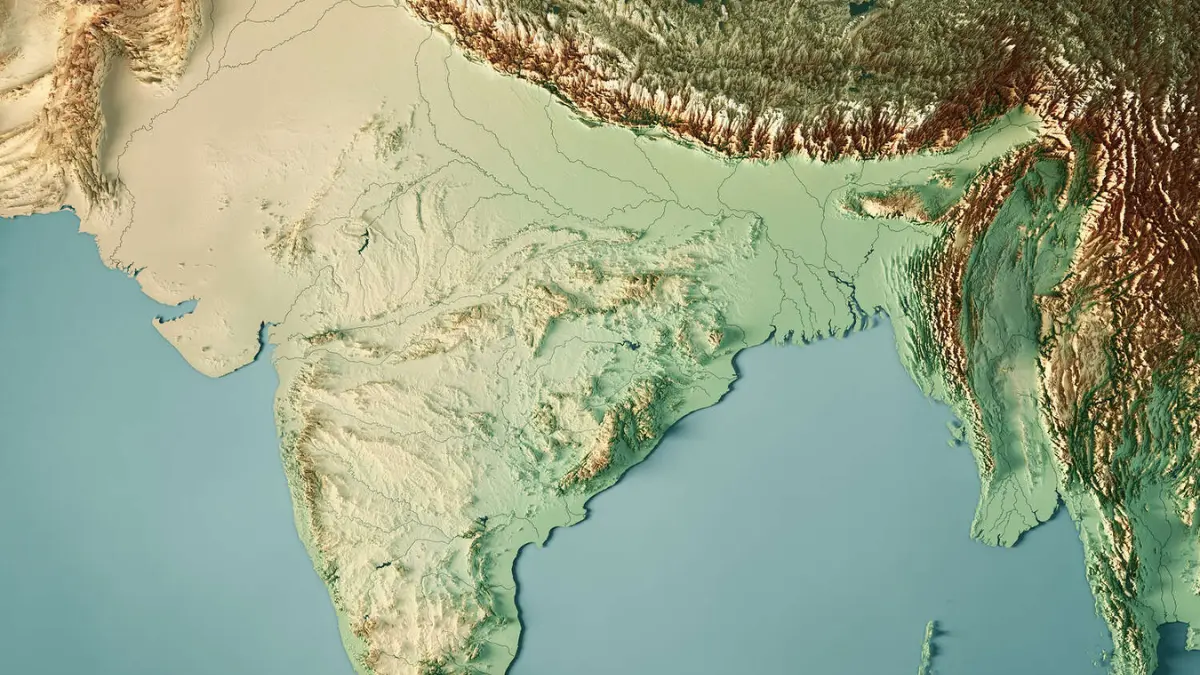
Indian States and National Symbols: India has 28 states and 8 Union Territories. Each of them is divided into different districts. Every state and Union Territory has its own official symbols, such as a state animal, bird, flower, and tree. These symbols represent their culture and identity. Learning these facts also helps students improve their Indian Static GK for competitive exams.
Important Rivers in India: Most rivers in India flow into the Bay of Bengal. Some rivers in the west flow into the Arabian Sea. These rivers help farming, give water for daily use, and support life in many states. This topic is also important for Most Expected Static GK.
State-wise Lakes in India: Wular Lake in Jammu and Kashmir is one of the largest freshwater lakes in Asia. Upper Lake in Madhya Pradesh is the biggest man-made lake in Asia. These lakes help with farming, tourism, and keeping the environment healthy. This topic is also helpful for Static GK MCQs.
Highest Mountain Peaks State-wise: The Himalayan Mountains stretch for about 2,500 km. Many of the tallest peaks are found in the Karakoram range, the Garhwal Himalaya, and the Kanchenjunga region. Kanchenjunga, Nanda Devi, and Kamet are some of the highest mountains in India. This topic is also useful for the Static GK Quiz.
Riverside Cities in India: Major cities around the world are situated near river banks. Most civilisations have developed near rivers because rivers support life, farming, and transport. Cities built near water bodies also gain significant advantages, such as better trade routes, easier transportation, and a steady water supply.
If you crack this topic, Riverside Cities in India, you will understand why many important Indian cities grew near rivers. After learning this, you can practise more questions on online static GK marathon platforms to improve your exam preparation.
Neighbouring Countries of India: India is a large country in southern Asia. It has a land border of 15,106.7 km and a long coastline of 7,516.6 km. A total of nine countries are connected to India. Seven countries share land borders, and two are connected through the sea. These neighbouring countries help us understand India’s location, culture, trade and security. This topic is an important part of Indian Static GK and is useful for every student preparing for competitive exams.
Dams in India: A dam is a wall that blocks the flow of water. When water is stopped, it forms a big lake called a reservoir. This water helps in farming, drinking and making electricity. The electricity made from water is called hydroelectricity. It is clean and safe for the environment. Learning this topic also helps you build your Important Static GK.
Major Sea Ports of India: All major ports in India are in nine coastal states. These states are Kerala, Karnataka, Maharashtra, Goa, Gujarat, West Bengal, Odisha, Andhra Pradesh and Tamil Nadu. India has thirteen major ports. They are very important for trade and travel. Knowing these ports will also improve your Static GK Questions for exams.
National Highways in India: National Highways are long roads that connect major cities across the country. These roads are looked after by the Central Government. India has around 45,000 km of National Highways. They help people travel easily and support interstate trade and transport. Learning this topic is helpful for your Indian Static GK.
Important Boundary Lines of the World: Important boundary lines mark the borders between different countries. These lines show the political or legal limits of nations and regions. Creating these borders is called boundary delimitation, and it often requires careful study and long discussions between countries. Understanding these facts supports your Static GK Quiz and helps you simply learn world geography.
Environmental and Wildlife Conservation
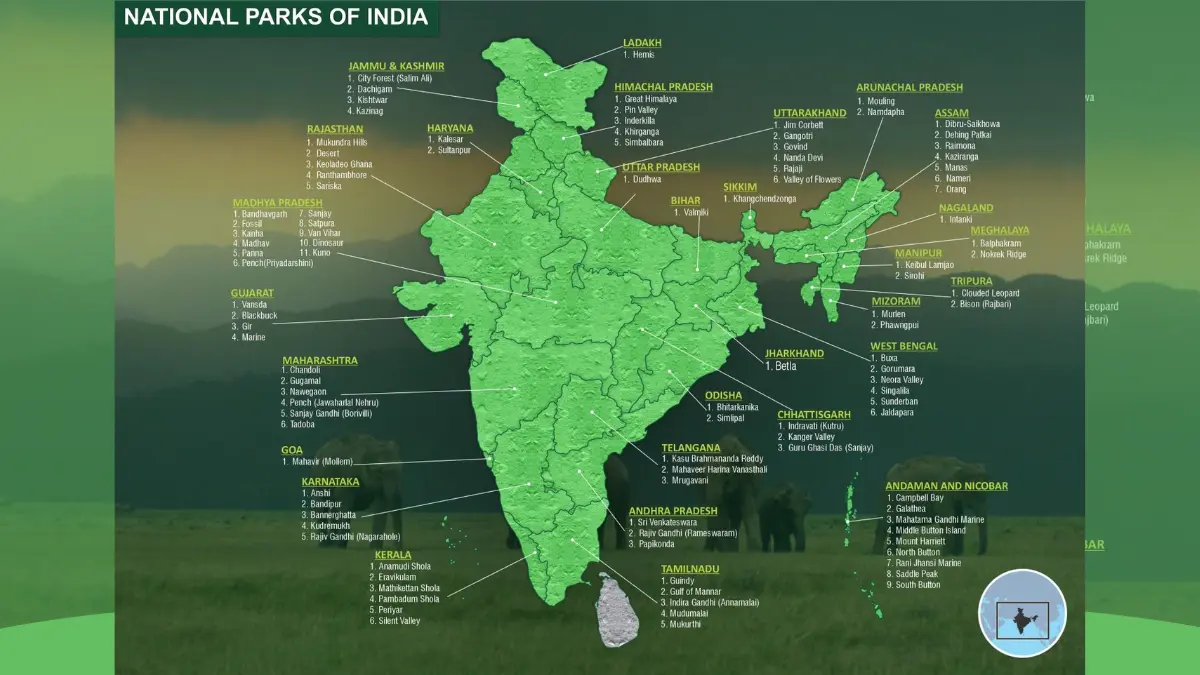
National Parks and Wildlife Sanctuaries in India: National Parks and Wildlife Sanctuaries protect animals by giving them a safe and natural place to live. These areas have clear boundaries so that wildlife can grow without disturbance. They help protect forests, animals, and the balance of nature. Learning these facts strengthens your Static GK for RRB and also helps in exams like SSC, UPSC, Banking, State PSC, and other competitive tests.
Bird Sanctuaries in India: Bird sanctuaries in India protect nearly 1,200 kinds of birds. These places give birds a safe space to live, rest, and breed. They help save rare and migratory birds. Learning these facts improves your Static GK MCQs preparation.
Biosphere Reserves in India: Biosphere reserves are large protected areas that include forests, animals, plants, and even coastal regions. India started its biosphere reserve network in 1976 under the MAB program. These areas help protect natural resources and support scientific study. This topic is a part of the Top Static GK Topics for many exams.
Tiger Reserves in India: Tiger Reserves protect tigers and their natural habitats. Most of these reserves are located in Central and Eastern India. Recently, more new tiger reserves have been added to increase protection for this endangered animal. Studying this helps strengthen your Most Expected Static GK for competitive exams.
Elephant Reserves in India: Elephant Reserves are created to protect elephants and reduce conflict between humans and wildlife. The “Hathi Mere Sathi” campaign was launched to spread awareness and encourage harmony between people and elephants. This topic supports your Important Static GK learning.
Environment Conventions and Protocols: Many international agreements are made to protect the environment, climate, and ecosystems. These agreements are called conventions and protocols. India has joined many of them to show its responsibility toward saving nature. Learning these topics is helpful when you prepare Static GK for Competitive Exams.
UNESCO World Heritage Sites in India: UNESCO chooses special cultural and natural places for protection. In India, many monuments, wildlife areas, historical buildings, and natural landscapes are recognised as World Heritage Sites. These places show India’s rich culture and natural beauty. You can also download our free Static GK PDF to prepare for your exam. These PDFs will help you understand important facts in less time, especially when your exam date is near.
Awards and Honours
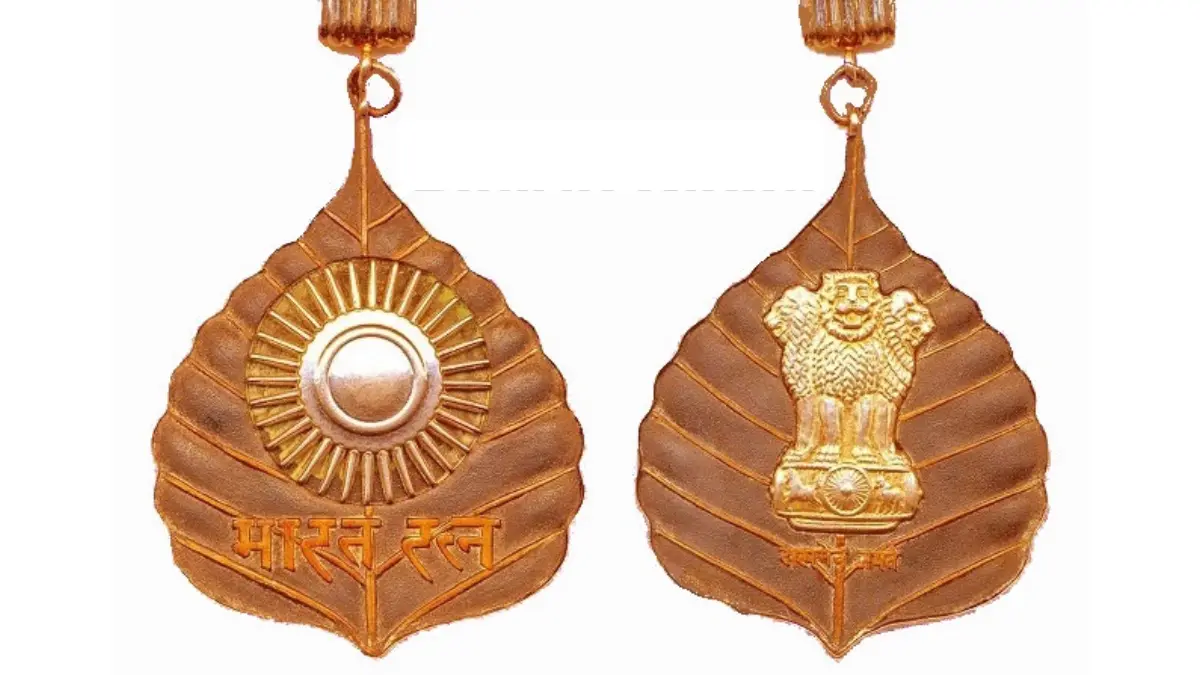
Important Awards in India: Important awards in India are given to people who do excellent work in areas like science, literature, sports, and social service. These awards show respect for their hard work and talent. Learning about these awards is useful for exams. You can also use our Static GK Score Booster notes to improve your preparation and understand these topics faster.
Nobel Prize Winners from India: Abhijit Banerjee, an economist born in India, received the Nobel Prize in Economic Sciences on October 15, 2019. He was honoured for his important work in understanding poverty and improving economic policies.
The Nobel Prize is a famous award given to people from around the world for great work in science, culture, and education. It is one of the highest honours a person can receive.
This award inspires students to aim high and work hard in their chosen fields. It also shows how Indian minds contribute to global progress.
Nicknames of Famous Personalities: Many well-known personalities in India are lovingly called by special nicknames because of their great work and contributions to the nation. These names show the respect and admiration people have for them.
For example, Mahatma Gandhi is fondly called “Bapu”, and people also know him as the Father of the Nation for his leadership in India’s freedom struggle.
Such nicknames help us remember their achievements and the important role they played in shaping the country.
Science and Defence Technology
Space Centres and Space Agencies in India: Space Centres in India work together to support the country’s space missions and scientific goals. These centres help in building rockets, planning satellite launches, and carrying out research that improves India’s space technology.
India has set up many Space Research Centres in different cities, each playing an important role in the growth of the nation’s space program. These centres make India stronger in science and help the country achieve new milestones in space exploration.
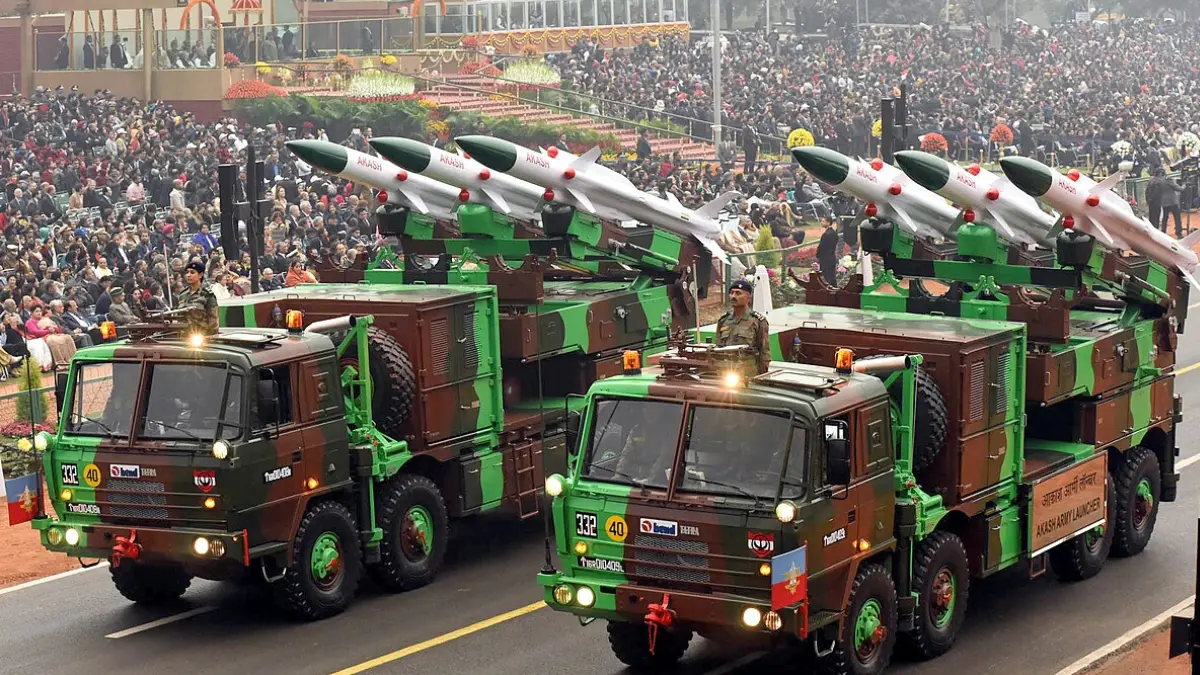
List of Indian Missiles: India started the Integrated Guided Missile Development Program in 1983 to make the country stronger in defence. Under this program, five important missile systems were developed. These were Trishul, Akash, Nag, Prithvi, and Agni I.
These missiles helped India improve its security and become more advanced in defence technology.
List of Exercises by the Indian Army: Joint military exercises help armies learn modern skills and work better with other countries. These exercises improve teamwork, planning, and preparedness during difficult situations. They also help soldiers understand new technologies and strategies that are important for national security. Learning these facts strengthens your Static GK Practice Set, especially if you are preparing for defence or general competitive exams.
Space Achievements: India has achieved many simple and proud moments in space science. ISRO was started in 1969 by Dr. Vikram Sarabhai to help India learn more about space. Aryabhatta, the first Indian satellite, was sent into space in 1975. Later in 2014, India made history when the Mars Orbiter Mission reached Mars on the first attempt. This success showed how strong India is becoming in space research and also helps students improve their Static GK Score Booster for exams.
Nuclear Program: India’s nuclear program began under the guidance of Dr. Homi Bhabha, who is known as the father of India’s nuclear science. India carried out its first nuclear test in 1974 at Pokhran. Later, in 1998, the second series of tests called Pokhran II was done. Dr. A. P. J. Abdul Kalam played an important role in building India’s missile and nuclear strength. Learning these points will also support students who are practising Static GK for SSC.
Art, Culture, and Tourism
List of States and Their Dance Forms: India has many beautiful dance forms. Every state has its own special dance that shows its culture and traditions. Some dances are classical, and some are folk dances. These dances help us understand the lifestyle and history of different regions. Learning these facts is helpful when you practise Static GK MCQs for exams.
Prominent Gardens in India: India boasts numerous famous gardens that showcase the country’s horticultural excellence. These gardens are prominent for their unique landscapes, historical significance, and locations that attract millions of visitors annually.
Stadiums in India: India has several big stadiums for different sports. Salt Lake Stadium in Kolkata is one of the largest football stadiums in the world. Many new stadiums have been built to support different Olympic and national sports. These facts are helpful while practising the Static GK Practice Set for your exams.
Literary Figures: India has produced many great writers and poets. Kalidasa is known as one of the greatest Sanskrit writers. Rabindranath Tagore won the Nobel Prize for his book “Gitanjali” and also wrote India’s national anthem. R.K. Narayan created the famous fictional town called Malgudi in his stories. Learning about such personalities also improves your Most Expected Static GK knowledge.
Classical Dance Forms: Classical Dance Forms in India are an important part of our culture. India has eight classical dances. These are Bharatanatyam from Tamil Nadu, Kathak from North India, Odissi from Odisha, Kuchipudi from Andhra Pradesh, Kathakali from Kerala, Mohiniyattam from Kerala, Manipuri from Manipur, and Sattriya from Assam. Each dance has its own style, costume, music, and cultural meaning. Learning these dance forms also strengthens your Static GK for Banking Exams preparation.
Economic and Banking Knowledge
History of Banking in India: Banking in India has played a very important role in building the country’s economy. Over the years, banks have grown and improved with the help of new technology. This development has made banking faster, safer, and more helpful for people and businesses across the nation.
Banking Acts and Reforms: As India moved toward global trade and modern economic systems, many new banking rules and reforms were introduced. These changes helped banks become stronger, more reliable, and better at handling money. They also improved the overall working of Indian banks so they can match international standards.
Important Banking Terms: Students preparing for bank exams need to understand common banking terms. These terms help you answer questions correctly and understand how banks work in real life. Knowing these basics makes exam preparation easier and more effective.
Government Schemes: The Indian government introduces many schemes to support the social and economic needs of the people. These schemes help reduce poverty, support education, improve healthcare, and provide financial assistance to those in need. Every citizen should have basic knowledge about these schemes.
Reserve Bank of India: The Reserve Bank of India was established in 1935. Sir Osborne Smith was the first Governor, and C.D. Deshmukh was the first Indian Governor. The RBI controls the country’s money, issues currency, and looks after the entire banking system to keep the economy stable.
Five-Year Plans: India started planned economic development with the First Five-Year Plan from 1951 to 1956. This plan focused mainly on farming and rural growth. In 2015, the Planning Commission was replaced by NITI Aayog, which now gives important advice to help the country grow in a better and smarter way.
List of GK Topics
International Relations and Organisations
International Headquarters: Many important organisations in the world have their main offices in different countries. These organisations work to solve global problems, help countries work together, and support peace and development. They also guide nations on important issues like health, education, and the environment.
Important Summits and Conferences in India: India hosts and attends many big meetings called summits and conferences. In these events, leaders from different countries discuss trade, business, science, and development. Such meetings help India build strong friendships with other countries and improve its economy.
Neighbouring Countries of India: India is in South Asia. It has a long land border and a long coastline. India shares its borders with 9 countries. Some countries share land borders, and some share sea borders. These neighbouring countries are important for India’s trade, travel, and security.
International Relations: India follows the idea that the whole world is like one family. This idea is called “Vasudhaiva Kutumbakam” (the world is one family). India’s Ministry of External Affairs, created in 1947, takes care of India’s relations with other countries. It manages embassies, helps Indians living abroad, and works to keep peaceful relations with all nations.
How to Master Static GK Effectively
Create a Study Schedule: Try to study Static GK for 30 to 45 minutes every day. Choose a small topic each day so you can learn slowly and clearly without feeling stressed.
Example: Today, study “First President of India.” Tomorrow, study “Rivers of India.” Slowly, each day you will know many facts without feeling tired.
Use Memory Techniques: Use easy tricks like short forms, stories, or picture-thinking to remember facts. These methods help you keep Static General Knowledge in your mind for a long time.
Example: To remember the first five Presidents of India, make a short story: “Rajendra, Sarvepalli, Zakir, V. V. Giri, Fakhruddin.” Imagine them sitting together at a tea table; this picture helps you recall their names quickly.
Regular Revision: Revise old topics every week. You can use flashcards, short notes, or simple apps on your phone. This makes revision quick and easy.
Example: Every Sunday, go through the flashcards you made for “Indian States and Capitals.” By seeing them again, you will remember them for the exam.
Practice Mock Tests: Solve small quizzes and full mock tests on Static GK topics. This helps you identify your weaknesses and teaches you how to manage time during exams.
Example: Take a 20-question quiz on “Famous Indian Scientists.” Check which questions you got wrong, then study those facts again.
Stay Updated with Connections: Try to link Static GK facts with current news. This helps you understand why that information is important today and improves both Static GK and current affairs.
Example: If the news says India sent a mission to the Moon, connect it to your Static GK fact about “ISRO’s Chandrayaan mission.” This way, you remember the fact and understand it better.
Conclusion
Static GK is very important for doing well in exams. It helps you get marks easily and is useful in many parts of the exam. If you study a little every day, revise often, and plan your study, you will learn these topics better. Remember, learning Static GK takes time, so be patient and keep trying.
At Kihikila.in, we believe learning can help you reach your dreams. Use this guide to learn Static GK step by step, and also read current news to complete your General Knowledge.
Start your Static GK journey today. Study every day and see your exam marks go up. Doing well in exams is not only about working hard, but also about working smart and using the right knowledge.